

Quick answer: Sudden skin sensitivity can follow a product reaction, extra washing or exfoliation, dryness, sun exposure, or an eczema or rosacea flare. New burning pain or painful sensitivity on one side can also be shingles, even before a rash appears. Pain from light touch deserves medical attention, especially when it is unexplained, severe, or worsening.
A familiar face wash starts stinging. Your hands feel raw after cleaning. Or your shirt hurts where it brushes your skin. All can be described as “sensitive skin,” but the timing and type of discomfort help determine the next step.
Shingles can begin with painful skin sensitivity
Shingles can begin with pain before you can see a rash. It happens when the virus that causes chickenpox reactivates in a nerve. A patch of skin may suddenly burn, tingle, or feel painfully sensitive to clothing or a light touch. These sensations can begin several days before the blisters appear. 10 11
A useful clue is the one-sided pattern: grouped blisters may appear in a strip or band on the chest, back, or waist, or on one side of the face or neck. The rash usually stops at the body's midline. Early shingles can be difficult to recognize before the rash, and occasionally the pain occurs without a rash at all. Pain alone cannot confirm the diagnosis. 10
Get medical advice promptly if shingles is possible. Do not wait for a rash if new, unexplained one-sided pain is severe or worsening. Antiviral medicine works best when started within 72 hours of the rash appearing. Still seek advice if more than three days have passed. 5 11
Get urgent assessment for a rash near the eye or on the nose, eye pain, or vision changes. Suspected shingles also needs prompt assessment in someone with a weakened immune system or in a child. 5 11
Real clinical photos of shingles
These examples show shingles after the rash has appeared. They cannot show the painful sensitivity that may come first, and your rash may look different.
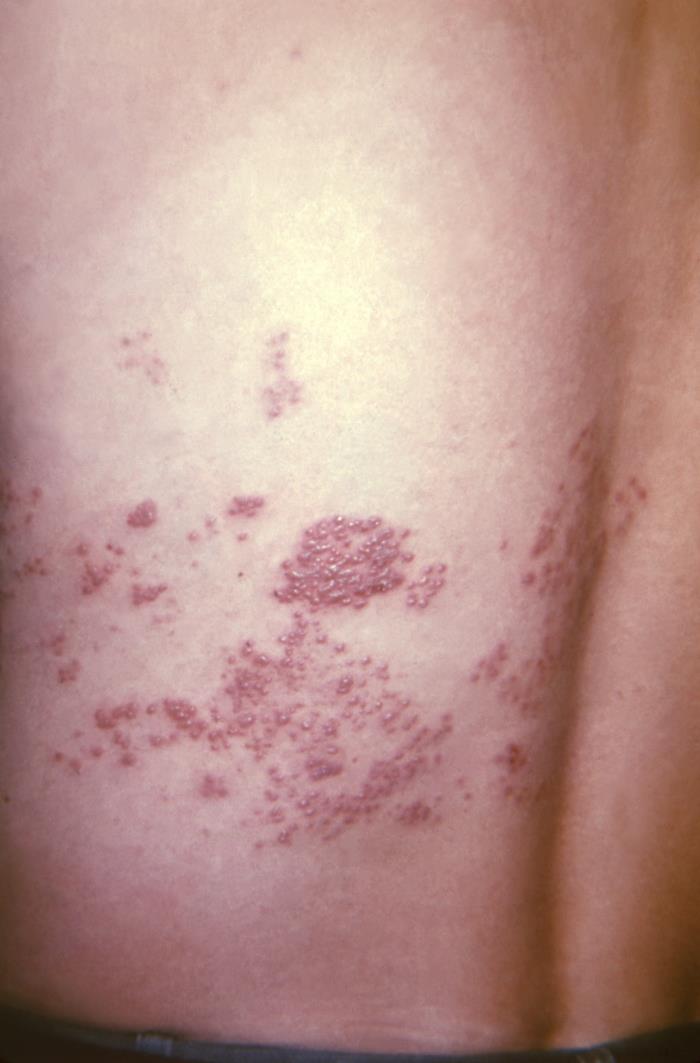
Photo: CDC / K. L. Herrmann, PHIL 21507.
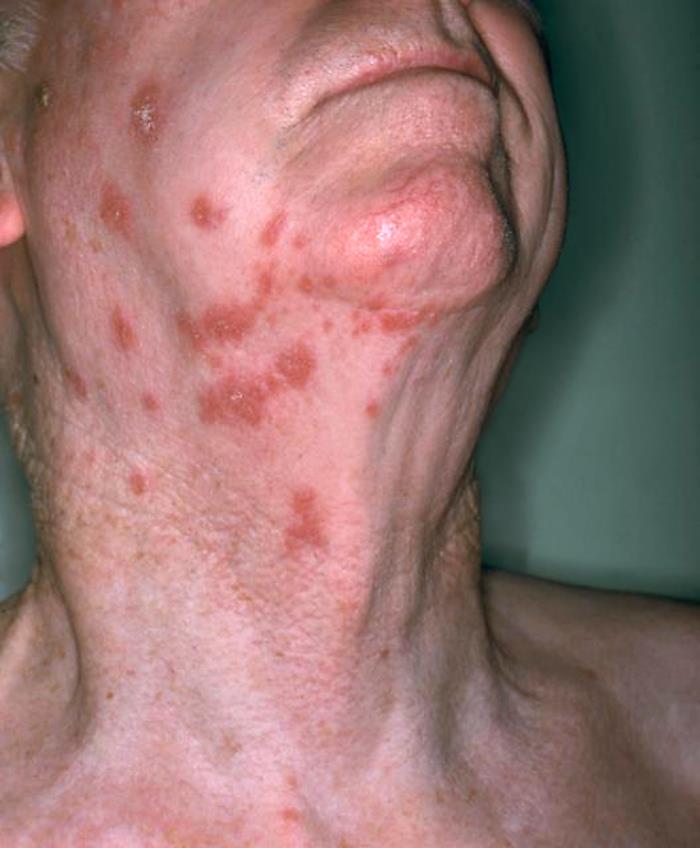
Photo: NIAID, via CDC PHIL 18254.
These public-domain photos are available free from the linked CDC source pages. Their use does not imply endorsement of Happy Cappy or its products by CDC, NIAID, HHS, or the U.S. Government.
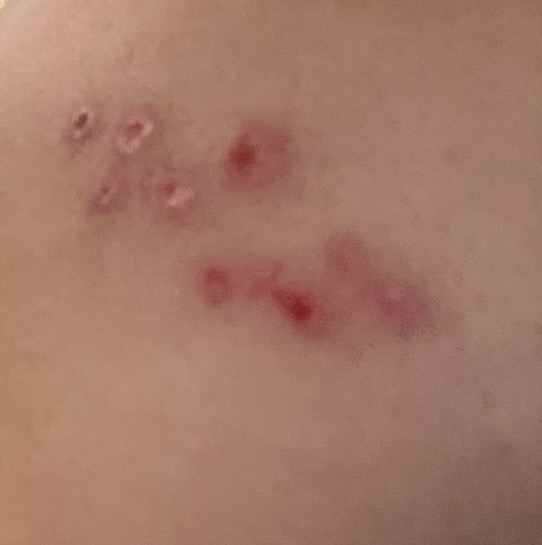
Pain can continue as shingles heals
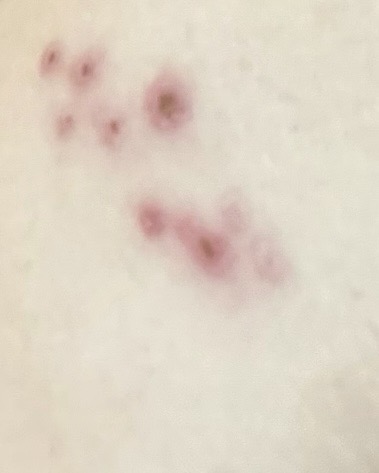
Two original views of the same area of the back during healing.
Common triggers of sudden skin sensitivity
Look back over the last several days, not just the moment you first noticed the problem. A reaction may be immediate, delayed, or the result of repeated irritation.
1. A new product, or more of a familiar one
A cleanser, detergent, fragrance, hair dye, or other exposure can irritate skin directly or cause a contact allergy. These are different mechanisms: irritation does not require an allergy. Think about products that touch the affected area, including what rinses over it. 2
You can also develop a contact allergy after years of using a product without trouble. A formula change is another possibility. If the same rash returns, a dermatologist may recommend patch testing. 3
2. More exfoliation or an acne treatment
A recently started retinoid, stronger exfoliant, or more frequent application can leave skin dry, peeling, or stinging. Pause nonessential exfoliation and ask your prescriber how to adjust an irritating prescribed treatment. 8
3. Dry skin and a stressed skin barrier
Cold, dry air, repeated handwashing, hot showers, and rubbing can make previously comfortable skin feel tight or raw. Your skin barrier helps retain water and protect against outside irritants. When it is disrupted, ordinary products may sting. 9 See our dry skin guide for ongoing dryness.
4. An eczema or rosacea flare
A new itchy, dry patch may be an eczema flare. Facial flushing with burning or stinging may fit rosacea. The pattern matters, and an existing skin condition does not rule out a new product reaction. 1
5. Sun exposure, sweat, heat, or friction
Recent sun exposure, sweaty clothing, shaving, or repeated rubbing can help explain a sudden change. Notice whether discomfort matches the area that was exposed. A symptom that keeps recurring or has no clear explanation deserves a closer look. 9
Pain from light touch needs its own assessment
Tender, irritated skin may sting when you wash, rub, or apply a product. A visible rash, peeling, or recent sunburn can offer a clue. But “sensitive to touch” can also mean that an ordinarily painless touch, such as a sleeve brushing your arm, causes pain.
That symptom is called allodynia. It describes the pain response, not its underlying diagnosis. It can occur with conditions such as migraine, shingles, or nerve disorders. A new episode should not automatically be treated as a cosmetic sensitivity problem. 4
If there is no rash: the discomfort can still be real. Arrange medical advice for new, unexplained pain from light touch, particularly if it persists or comes with tingling or numbness. Tell the clinician where it happens and whether clothing, gentle pressure, or temperature triggers it. 4
For unexplained pain focused on one side, see the shingles warning signs and clinical photos above. A rash may not be visible when the pain begins.
Symptoms and patterns to track
Note whether you have itching, stinging, burning, tightness, dryness, scaling, or a visible rash. These clues are more useful than simply labeling your skin “very sensitive.” Bumps or acne alone do not establish the cause. 1
For broader symptoms and long-term product choices, visit the sensitive skin guide. This article focuses on a new change and what to check first.
Gentle care while the cause becomes clearer
- Simplify what touches the area. Stop a suspected nonessential cosmetic or fragranced product. Avoid adding several new “soothing” treatments at once.
- Cleanse gently. Use lukewarm water and a mild, fragrance-free cleanser as needed. Avoid hot water, scrubs, loofahs, and vigorous rubbing.
- Moisturize dry skin. Apply a tolerated fragrance-free cream after washing and when skin feels dry. Stop a product that worsens burning or causes a new rash.
- Track the pattern. Record when symptoms started, new exposures, and what improves or worsens them. This can help identify a trigger. 3 6
Moisturizer can help dryness, but it does not treat every cause of sensitivity or pain. A persistent rash may need treatment directed at contact dermatitis or another skin condition. 6
Happy Cappy Daily Shampoo & Body Wash and Moisturizing Cream are fragrance-free options for gentle cleansing and moisturizing of dry, sensitive, eczema-prone skin. They do not treat shingles or nerve pain and are not a substitute for identifying a new rash.
Sensitivity caused by an irritant may settle after the trigger is removed and the skin recovers. The course depends on the cause; repeated product changes can make the pattern harder to recognize. If symptoms persist, keep your routine simple and seek an assessment. 6
Signs that need medical attention
Arrange an assessment if the sensitivity persists, keeps returning, has no clear trigger, or involves pain from gentle touch. Seek prompt care for increasing pain, rapidly worsening skin changes, discharge, or feeling feverish or unwell. 4 7
A one-sided blistering rash or pain near the eye needs prompt attention. 5 Trouble breathing or swelling of the lips, tongue, or throat requires emergency care.