
Quick answer: A healthy scalp usually feels comfortable and has intact skin without persistent itching, soreness, thick scale or a new rash. Its color varies with your natural skin tone. Some oil and normal hair shedding are expected. Scalp care matters because it protects the skin barrier, keeps buildup manageable and helps you notice problems early.
Most of us have no idea what our scalp looks like until a taller family member peers down and offers a report. Whether you asked for that feedback is another conversation altogether.
Fortunately, you do not need a tall relative to investigate. A mirror, good lighting and parting your hair in a few places can help you see what is going on. If you are checking your child’s scalp, ask whether it itches or hurts, too. How the scalp feels is just as useful as how it looks.
What Does a Healthy Scalp Look and Feel Like?
The scalp is the skin covering your head. A healthy scalp generally has an intact surface, without persistent irritation, open sores or thick layers of scale. Natural oil, called sebum, helps lubricate the skin and hair. Your scalp does not need to feel completely oil-free to be healthy.
Healthy Scalp vs. Changes Worth Noticing
| What to check | Usually reassuring | Worth attention |
|---|---|---|
| Comfort | No ongoing itching, burning or tenderness | Repeated scratching, soreness or pain |
| Skin surface | Intact skin without a persistent rash | Thick scale, crusts, sores or pus-filled bumps |
| Color | Your usual scalp tone | A new patch of altered color, especially with itching or scale |
| Oil and flakes | Some natural oil and little noticeable flaking | Recurring flakes or buildup that accompanies irritation |
| Hair changes | Your usual shedding pattern | New bald patches, broken hairs or increasing thinning |
These clues guide what to check next; they do not establish a diagnosis. Hair texture, shine and how quickly hair becomes oily vary naturally. Hair loss can also occur when the scalp looks normal.
What Color Is Your Scalp Supposed to Be?
There is no single healthy scalp color. Compare with your own usual appearance rather than trying to match a photograph. A pale or slightly pink scalp is not automatically unhealthy, and color alone cannot tell you whether circulation is normal.
Look for a change together with symptoms. Inflammation can look red or pink on lighter skin. On darker skin, a scalp rash may look pink, purple or lighter than the surrounding skin, so redness is not the only sign to watch for. The AAD’s scalp-rash examples show this variation.
Yellow material may be greasy scale or crust rather than the color of the skin itself. Persistent scaling, tenderness, oozing or a new discolored patch deserves attention; a color chart cannot identify the cause.
Why Is Scalp Health Important?
Your scalp’s outer layer helps retain moisture and protect the underlying skin. Caring for it can reduce avoidable irritation and make everyday washing and styling more comfortable.
Hair grows from follicles within the scalp. Some inflammatory conditions, infections and tight hairstyles can damage hair or contribute to hair loss. However, a better cleansing routine cannot prevent every cause of thinning. Genetics, illness, medications and other factors may need a different approach, as explained in the AAD’s hair-loss guide.
The scalp also naturally carries microorganisms. Their presence does not mean the scalp is dirty. You do not need to sterilize it, and an ordinary mirror check cannot measure its microbiome.
Signs That Your Scalp Needs Attention
Recurring flakes, persistent itch, burning, tenderness, thick scale, bumps or sores can signal a scalp problem. Notice when it started and whether it followed a new shampoo, hair dye, styling product or tight hairstyle.
What Can Cause These Changes?
Possible causes include dandruff, seborrheic dermatitis, scalp eczema, psoriasis, a product reaction or an infection. Similar-looking flakes can have different causes. Our itchy-scalp guide explains the common possibilities in more detail.
In babies, thick, greasy scale may be cradle cap. A child with a scaly patch and broken hairs or hair loss should be checked for scalp ringworm. This usually needs prescription medicine taken by mouth; shampoo alone is not enough. See NHS ringworm guidance.
How to Keep Your Scalp Healthy
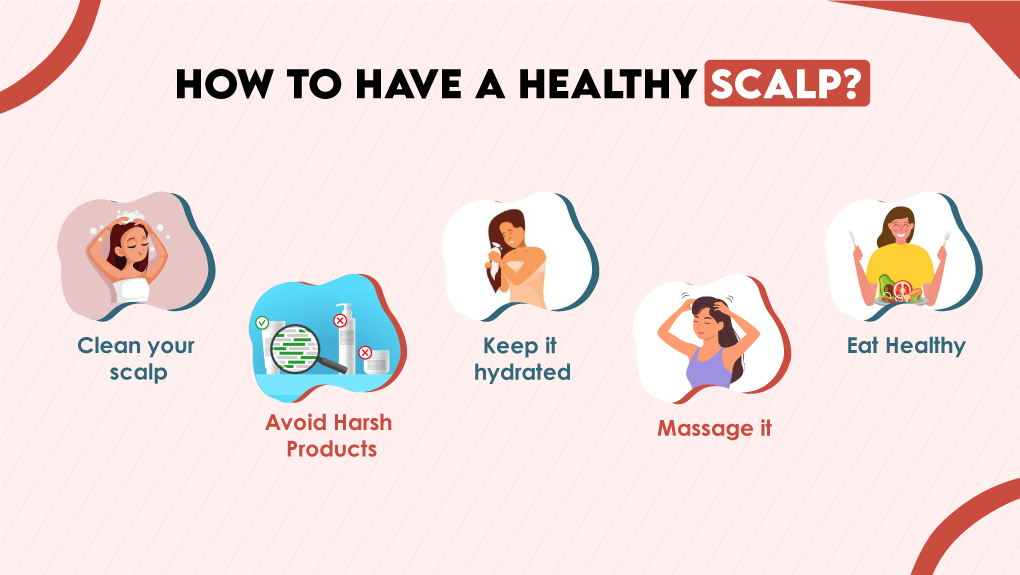
- Wash according to your scalp and hair. Oiliness, sweat, hair texture and styling affect how often shampooing is useful. An oily scalp with straight hair may need frequent washing; dry, curly or coily hair may need less. Adjust to comfort and follow any treatment instructions.
- Use gentle technique. Apply shampoo to the scalp, work it in with your fingertips and rinse well with lukewarm water. Avoid digging with your nails or scrubbing irritated skin. Use conditioner on the hair according to its needs. See AAD hair-care tips.
- Choose products your skin tolerates. A gentle, fragrance-free shampoo is a useful starting point for sensitive skin. Stop a product that repeatedly causes burning or a rash. There is no need for a routine scalp scrub or an ingredient blacklist that treats every formula alike.
- Be kind when styling. Avoid hairstyles that pull or hurt, limit excessive heat and do not pick at scales. A light fingertip massage may feel pleasant, but it is not a proven solution for hair loss.
- Protect exposed scalp from the sun. Use shade and a protective hat. For exposed areas such as a part or thinning scalp, use an appropriate broad-spectrum, water-resistant SPF 30 or higher sunscreen. Follow its directions. A heat-styling protectant is not a substitute for sunscreen. See AAD sun-protection advice.
A varied diet and normal hydration support general health. Extra water, scalp oils and hair supplements are not a universal fix for flaking or thinning. Persistent dryness needs a closer look at products, washing habits and possible skin conditions.
Choosing a Happy Cappy Shampoo
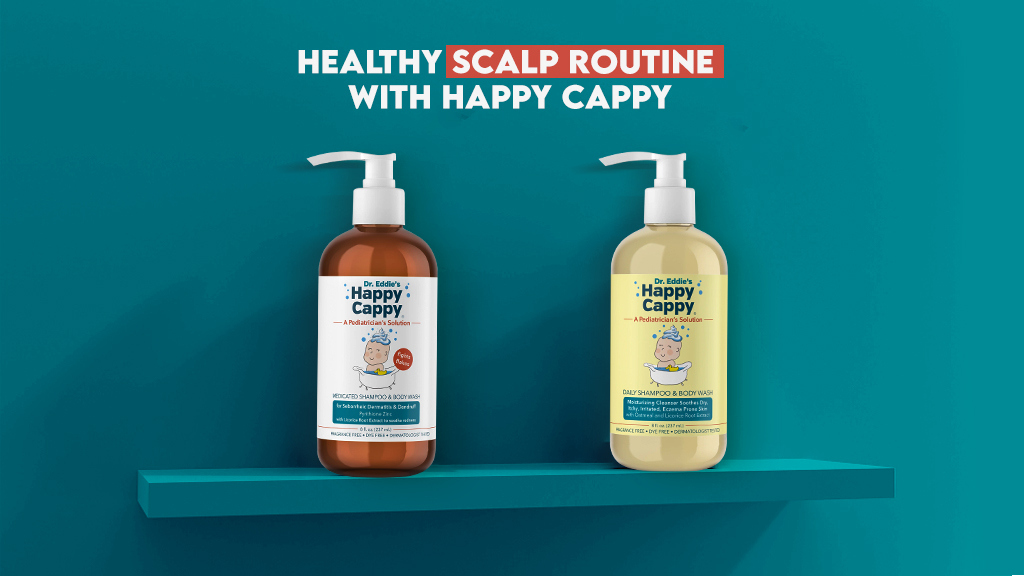
Putting that gentle-care routine into practice starts with a shampoo that suits what you are noticing on your scalp.
If dryness and sensitivity are your main concerns, Happy Cappy Daily Shampoo & Body Wash provides gentle, fragrance-free cleansing for dry, sensitive and eczema-prone skin. Use it daily or as often as needed to wash away oil, sweat and everyday buildup.
If the recurring flakes, scaling and itching described above are due to dandruff or seborrheic dermatitis, Happy Cappy Medicated Shampoo & Body Wash can help. Its 0.95% pyrithione zinc helps relieve those symptoms while gently cleansing your scalp. For best results, use it at least twice a week, or as directed by your doctor.
For persistent dandruff, the AAD recommends choosing an appropriate dandruff shampoo and seeking medical advice when home treatment is not helping. Medicated shampoo does not treat every cause of scalp irritation.
When Should You Get Your Scalp Checked?
Arrange an examination for persistent itching or scaling, new hair loss, a changing spot, or a sore that does not heal. Seek prompt care for significant pain, swelling, pus, spreading redness or fever. A child with a painful, swollen scalp patch or patchy hair loss needs medical assessment.
A comfortable scalp and a simple routine are good goals. If the same problem keeps returning, finding its cause is more useful than adding another scrub, oil or shampoo.
Frequently Asked Questions
- About
- Latest Posts

- WhatToExpect Mentioned Happy Cappy Shampoo as the Best Medicated Shampoo For Cradle Cap - September 29, 2025
- Parents.com Mentioned Happy Cappy Shampoo in the List of 10 Best Shampoos for Babies and Kids of All Hair Types - September 29, 2025
- Chain Drug Review Covers Happy Cappy’s CVS Launch Nationwide - August 27, 2025
What does an unhealthy scalp look like?
Changes may include persistent flakes or thick scale, a new rash, crusts, sores or pus-filled bumps. Itching, burning and tenderness also matter. A scalp condition can be present without obvious redness, and hair loss can occur on normal-looking skin.
Is a white or pink scalp healthy?
A pale or slightly pink scalp can be normal. Compare with your own usual skin tone and look for new patches, scale, soreness or itching. Color alone cannot diagnose scalp disease or tell you whether circulation is normal.
What are three common scalp conditions?
Common examples include dandruff or seborrheic dermatitis, scalp psoriasis and contact dermatitis. Cradle cap is seborrheic dermatitis in babies. Scalp ringworm and other infections can look similar, so persistent symptoms may need an examination.
What does a dry or dehydrated scalp look like?
Dry scalp may feel tight and develop fine flakes. Dandruff, eczema and product reactions can look similar, so flake size or color cannot reliably distinguish them. A flaky scalp does not by itself show that you are dehydrated, and drinking extra water may not solve the problem.
Why is it important to keep your scalp clean?
Washing removes excess oil, sweat and product residue and can help keep the scalp comfortable. Natural oil and microorganisms are normal. Good cleansing does not prevent every scalp condition, and dandruff is not proof of poor hygiene.
Can an unhealthy scalp cause hair loss?
Some infections, inflammatory scalp conditions and repeated pulling can cause hair loss or breakage. Other causes, including hereditary thinning, can occur without a visible rash. New bald patches, increasing thinning or persistent shedding deserve assessment rather than assuming that more washing will fix them.
How do you know if you have scalp buildup?
You may notice waxy or sticky residue, a coated feeling or material around the roots. Scale from a skin condition can look similar. Avoid scraping to test it; use gentle cleansing and get persistent buildup, itching or inflammation checked.
How often should you wash your scalp?
There is no single schedule for everyone. Adjust washing to oiliness, sweat, hair texture and comfort. Straight hair with an oily scalp may need daily shampooing, while dry, curly or coily hair may need less frequent washing. Follow the directions for any medicated shampoo.
How can I make my scalp healthy again?
Start with gentle cleansing, stop products that irritate your skin, avoid tight or painful hairstyles and protect exposed scalp from the sun. Match treatment to the cause. Get persistent symptoms or new hair loss assessed, and seek prompt care for significant pain, swelling, pus, spreading redness or fever.