
Quick answer: Allergic contact dermatitis is a delayed skin allergy to something that touches your skin. It can develop after previously tolerated exposures. Patch testing may identify the allergen so treatment can include specific avoidance.1, 3
Allergic contact dermatitis explained
Allergic contact dermatitis is a delayed immune reaction to a substance touching the skin. The immune system first becomes sensitized; later exposure can produce an itchy, inflamed rash. You can develop it after using a product many times without a problem.1
It differs from irritant contact dermatitis, in which substances such as detergents or repeated water exposure damage the skin directly. A person can have irritation and contact allergy at the same time.2
Symptoms and appearance
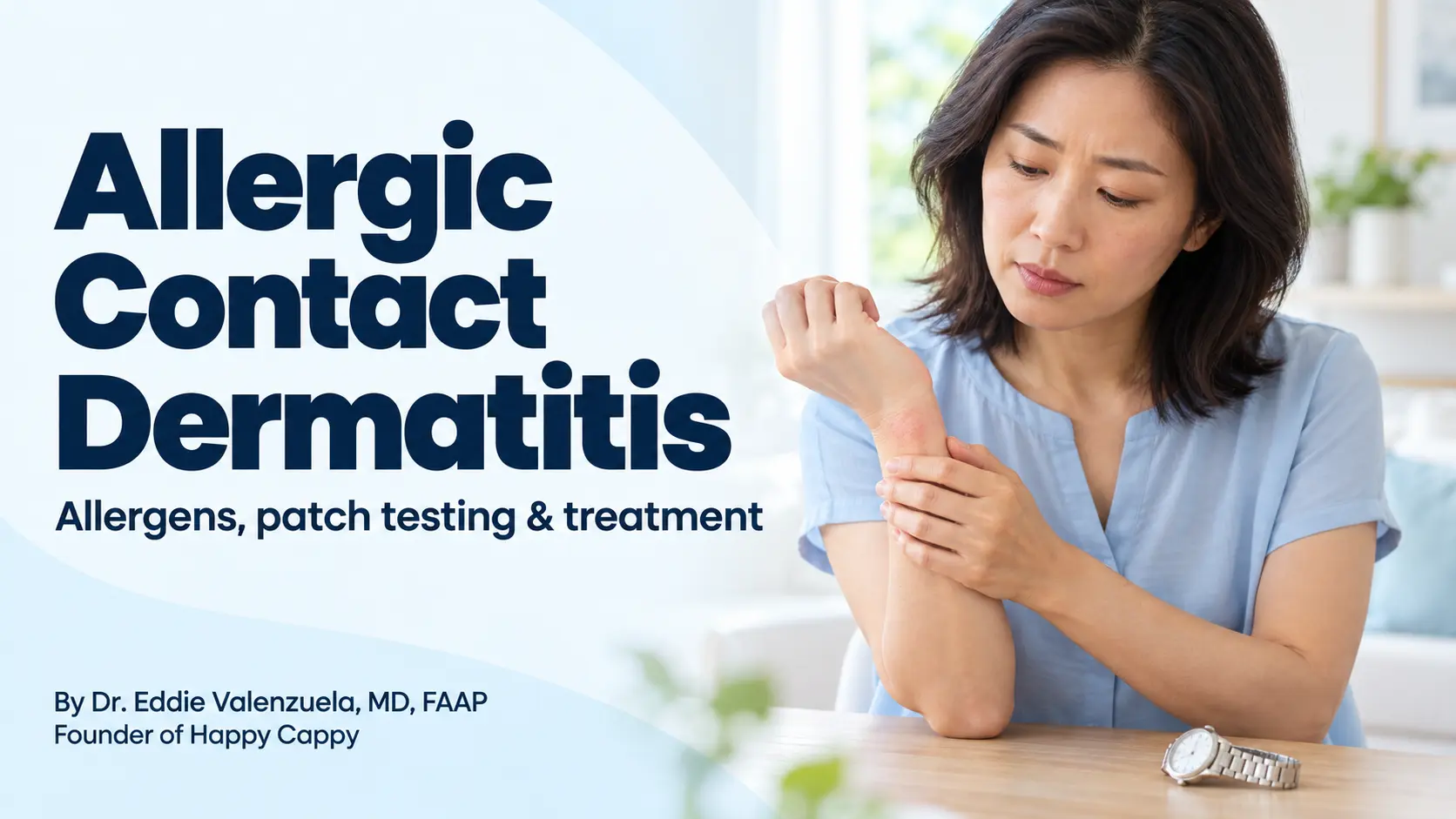
Symptoms commonly develop a day or more after exposure rather than immediately. The skin may itch, swell, blister, ooze, crack, or become scaly. Inflammation may appear red, purple, brown, or darker than surrounding skin. The rash often follows the contact area, but it can extend beyond it.1, 2
Location can offer clues: earrings near the earlobes, a watch against the wrist, or a hair product reaching the face and neck. Hand exposure can also transfer a substance to another area. These patterns guide investigation but do not prove which ingredient is responsible.
Common exposures worth discussing
- Metals: nickel in some jewelry, fasteners, and everyday objects.
- Personal-care products: fragrances, certain preservatives, hair-dye ingredients, and ingredients in cosmetics or nail products.
- Work and household materials: rubber additives, adhesives, resins, and other job-specific substances.
- Plants or topical medicines: poison ivy and some antibiotic ointment ingredients are examples.
Bring ingredient lists, product names, gloves or workplace safety information, and photos to the appointment. The relevant allergen differs from person to person, so a universal list of “bad ingredients” cannot replace your own evaluation.1, 3
Delayed rubber allergy and immediate latex allergy
Delayed contact allergy to rubber-processing chemicals is different from an immediate allergy to natural rubber latex proteins. Immediate hives, swelling, wheezing, or breathing difficulty require a different evaluation. Trouble breathing or tongue or throat swelling needs emergency care.4
Contact allergy on the hands
A recurring hand rash deserves a review of both irritation and allergy. Notice gloves, nail products, adhesives, jewelry, cleaners, and substances handled at work. Timing around a shift, hobby, or manicure can help the clinician decide what to investigate. Wet work may also damage the skin barrier, so more than one cause can be present.2, 14
Use our hand eczema guide for the broader causes and day-to-day management.
Allergen of the Year: 2026 and recent selections
The American Contact Dermatitis Society uses its annual selection to draw attention to a contact allergen that clinicians and patients may overlook. The 2026 selection is benzyl alcohol. The designation is an educational spotlight, not a ranking of the most dangerous ingredients or a reason for everyone to avoid them.8
| Year | Selected allergen | Where it can matter |
|---|---|---|
| 2026 | Benzyl alcohol | A preservative, solvent, and fragrance ingredient in some personal-care products and topical medicines. It may be absent from a standard patch-test panel.8 |
| 2025 | Toluene-2,5-diamine sulfate (PTDS) | A hair-dye ingredient that can appear in products marketed as PPD-free. Some people allergic to PPD also react to PTDS.9 |
| 2024 | Sulfites | Preservatives and antioxidants in some personal-care products and medicines. They may require testing beyond a basic screening panel.10 |
| 2023 | Lanolin | A wool-derived ingredient used in some moisturizers and ointments. A natural ingredient can still cause contact allergy.11 |
| 2022 | Aluminum | Found in some antiperspirants and other products. Its selection highlighted an often-overlooked metal allergy.12 |
| 2021 | Acetophenone azine | Identified in some foam sports equipment and footwear. A rash beneath shin guards or shoes is not always caused by sweat or friction.13 |
Why this is useful: a recurring rash may involve something outside the obvious suspects. Show your dermatologist the actual products or equipment involved. Testing should follow your exposure history; this list is not a personal diagnosis or a universal shopping blacklist.
Patch testing for contact allergy
A dermatologist may recommend patch testing when contact allergy is suspected. Small amounts of selected allergens are placed on the back under patches, then the skin is checked at scheduled visits for delayed reactions. Follow the clinic’s instructions about medicines, sweating, and keeping the test area dry.3
Interpreting patch-test results
Contact-allergy patch testing is different from skin-prick or blood tests used to investigate immediate allergies, including food allergy. It does not diagnose irritant dermatitis. A positive result needs to be matched to your actual exposures. Ask the clinician for the ingredient names to avoid and any relevant cross-reactions, rather than avoiding everything with a similar name.3, 5
Allergic contact dermatitis treatment
Identifying and avoiding the allergen
Once the culprit is identified, work with your clinician to find alternatives and check ingredient names. Avoiding the relevant allergen is the central step. A fragrance-free label or sensitive-skin claim alone cannot guarantee that a product excludes your personal allergen.5
Moisturizers support dry skin, but active inflammation may also need prescription treatment. The appropriate medicine depends on the body area, severity, and your medical history. Do not repeatedly treat the same unexplained rash without investigating the exposure.6
Medicines that calm the rash
Topical corticosteroids are a common prescription treatment for active inflammation. A clinician selects the strength and duration for the affected area. Thin skin on the face or neck generally needs a different approach from the palms. Follow the prescribed plan rather than repeatedly restarting leftover treatment.6
Severe or widespread reactions may sometimes require an oral corticosteroid course. Repeated courses are not a long-term solution; ongoing disease warrants specialist reassessment. A dermatologist may consider other medicines or phototherapy in selected persistent cases.6, 14
Preventing another flare
Medicines calm inflammation, while avoiding the relevant allergen reduces repeat exposure. If the rash returns, review hidden sources, workplace materials, the ingredients in treatments, and whether an additional skin condition is involved.14
If gloves are involved, ask which material and formulation suit the diagnosed allergy and the job. Switching to a non-latex glove does not necessarily eliminate rubber-accelerator exposure.4
For repeated hand symptoms, see hand eczema triggers and care. For a first adult rash or broader product intolerance, see sudden eczema in adults and sudden skin sensitivity.
Medical advice for a recurring rash
Arrange care for a persistent or recurring rash, especially on the face, eyelids, or hands, or if it affects sleep or work. Increasing pain, warmth, pus, spreading inflammation, or fever may indicate infection and need prompt assessment.2
Choosing daily care after a contact-allergy diagnosis
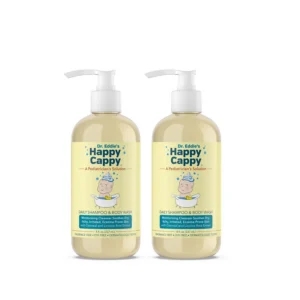
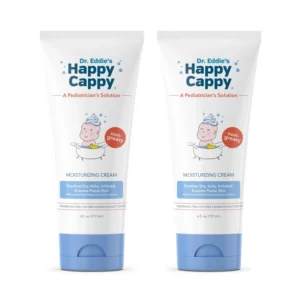
Happy Cappy Daily Shampoo & Body Wash is a fragrance-free cleanser for dry, sensitive skin, made without SLS or SLES. Its glycerin, panthenol, and hyaluronic acid support moisture during washing. Happy Cappy Moisturizing Cream pairs glycerin to attract moisture with petrolatum to help retain it; licorice root extract helps calm the look of redness. The Cream absorbs quickly without a greasy feel. Compare each current ingredient list with your clinician-provided avoidance list before use.
Ingredient screening and your personal allergy
Happy Cappy Moisturizing Cream’s 100% SkinSAFE rating refers to ingredient-screening criteria. It is not a consumer vote, a guarantee that nobody can react, or a substitute for checking your own allergens. Even products designed for sensitive skin can irritate or trigger an allergy in some people.7