
Quick answer: Wet wraps can help some eczema flares by hydrating skin and supporting treatment. Use a clinician-directed plan, especially if a steroid is involved. Do not wrap suspected infected skin or assume overnight wrapping is appropriate.1, 2, 4
Wet-wrap therapy adds moisture and protects the skin
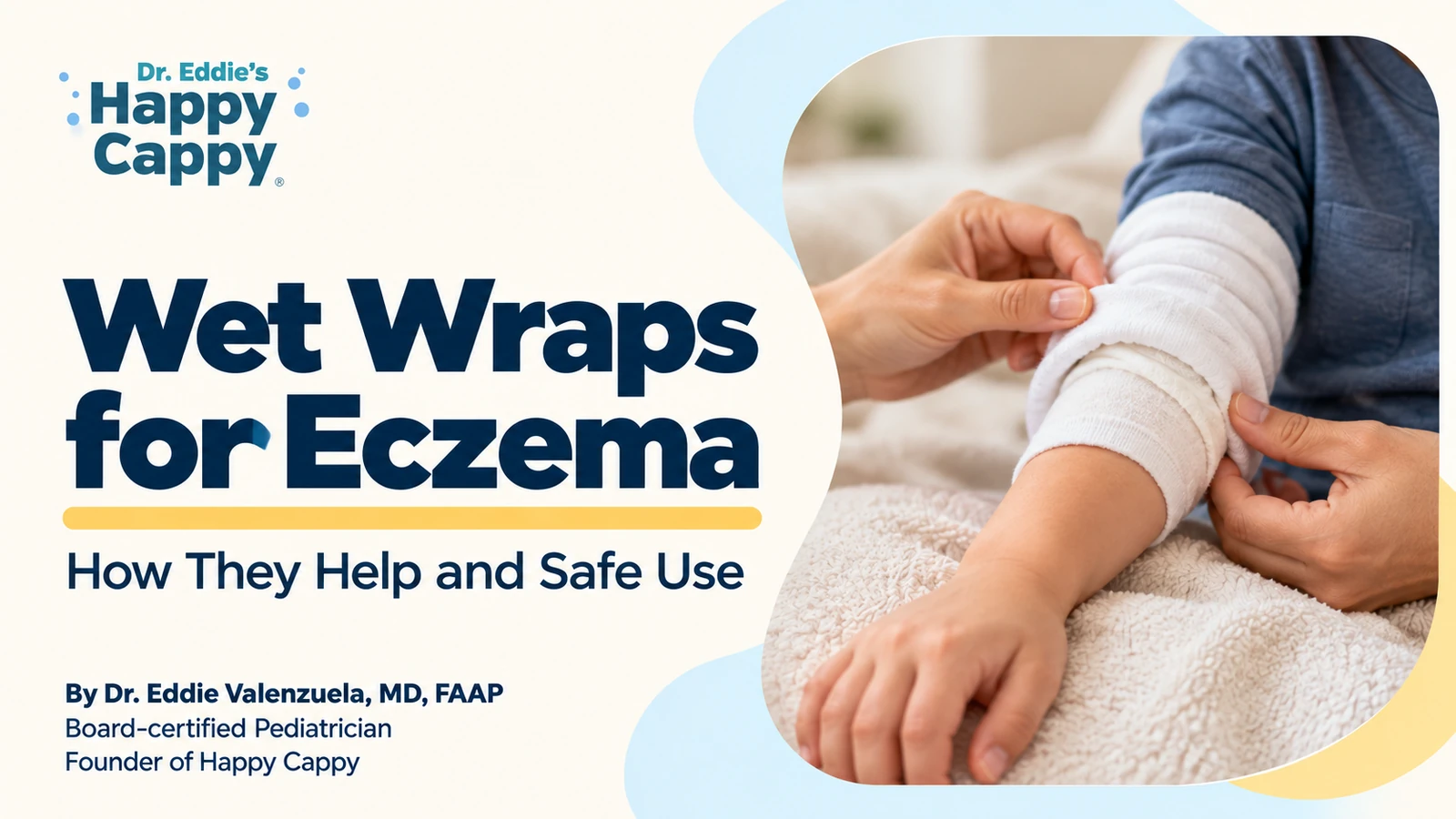
Wet-wrap therapy uses a damp fabric layer over moisturized or medically treated skin, followed by a dry layer. It can help hydrate the skin and reduce scratching during an atopic dermatitis flare. It is usually a short-term addition to a treatment plan, rather than an everyday requirement or a cure.1
Ask your clinician whether it is appropriate, which areas to wrap, what to put underneath, and how long each session and the overall course should last. Babies, young children, and people needing large areas covered require particular care.2
Wet wraps can support treatment during a difficult flare
A clinician may recommend wet wraps when itching and inflammation remain troublesome despite regular skin care. Wrapping can make topical treatment work more strongly, which is both a potential benefit and a reason to follow a specific plan.2
Wet wraps are intended for diagnosed eczema in an appropriate setting. Do not assume that a new, painful, blistering, or weeping rash should be wrapped.
Wet-wrap application follows a clinician-directed plan
Before starting, get instructions for the products, body areas, duration, frequency, and number of days. There is no single schedule that suits everyone.
Preparation and skin care
- Prepare clean supplies. Use soft cotton garments or dressings recommended by your clinician, a second dry layer, and lukewarm water. Avoid rough fabrics and improvised plastic coverings.
- Gently bathe or cleanse. Follow your usual eczema bathing plan and pat the skin gently, leaving it slightly damp.
- Apply the agreed product. Use moisturizer or the exact prescribed medicine and amount. Do not add a steroid under a wrap unless the prescriber has directed you to do so.
Damp and dry layers
- Add the damp layer. Wet the fabric and wring it out so it is damp, not dripping. Cover only the areas in the plan, without wrapping tightly.
- Add the dry layer. Keep the person comfortable and warm. Stop if the wrap causes chilling, pain, numbness, or increased irritation.
Wrap duration and removal
- Remove at the instructed time. Follow the clinician’s advice about reapplying moisturizer, reusing clean garments, and the next session. Do not automatically leave wraps on overnight.
Your care team can demonstrate the technique and adapt it for a small area or larger body region. Face or head wrapping requires specific professional instruction.1, 3
Risks and reasons to stop
- Stronger medicine absorption: occlusion can increase absorption of topical corticosteroids. Strength, amount, body area, and duration all matter, especially in children.
- Possible infection: do not start home wrapping over suspected infected skin. New pustules, worsening pain, warmth, spreading redness or discoloration, or fever need medical advice.
- Discomfort: damp layers may cause chilling or irritation. Tight dressings can create pressure. Remove uncomfortable wraps and contact the care team.
If eczema becomes wet or weepy, ask a clinician to check it before wrapping. Seek urgent care for rapidly spreading painful blisters or sores, particularly with fever or eye involvement.4, 5
Repeated need for wet wraps calls for reassessment
Wet wraps remain an option for short-term flare care. They are not intended to be the endpoint of treatment for persistently uncontrolled eczema. If you or your child repeatedly needs intensive wrapping, ask the treating clinician to reassess overall disease control, confirm the diagnosis, and review the current treatment plan.
Newer treatments, including biologic medicines such as dupilumab and other targeted therapies, may be appropriate when eczema remains inadequately controlled despite a suitable topical plan. The choice depends on age, severity, previous treatment, health history, and access. A clinician can explain the expected benefits, risks, and monitoring. Wet wraps may still have a limited role alongside a longer-term plan.6, 7
Daily cleansing and moisturizing continue between wraps
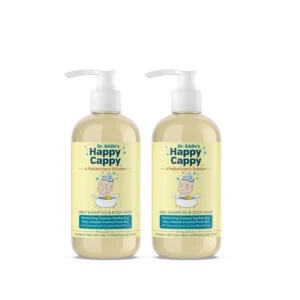
Continue your daily eczema care routine, including on days without wraps. Happy Cappy Daily Shampoo & Body Wash is a fragrance-free, soap-free cleanser made without SLS or SLES. Its glycerin, panthenol, and hyaluronic acid help support moisture during gentle cleansing.
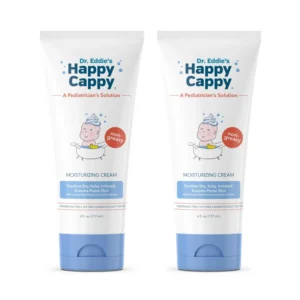
Happy Cappy Moisturizing Cream supports daily moisturizing with glycerin to attract water and petrolatum to help retain it. Licorice root extract helps calm the look of redness. Its fast-absorbing, non-greasy feel can make regular application easier.
Ask your clinician which moisturizer to use under wet wraps. A product being suitable for daily use does not establish that it belongs under an occlusive dressing or alongside every prescription.