A pediatrician’s guide to skin & scalp care
Seborrheic dermatitis care for babies, children, and adults, with guidance on flakes, scale, and skin changes.

Quick Answer
Seborrheic dermatitis is a common inflammatory skin condition that causes flakes, scales, and sometimes itching. It often affects the scalp, eyebrows, sides of the nose, ears, or chest. On a baby’s scalp, it is commonly called cradle cap. It is not contagious or a sign of poor hygiene. Care depends on age, location, and severity.
In this guide
Seborrheic dermatitis explained
Seborrheic dermatitis is an inflammatory condition that tends to affect skin rich in oil glands. It can produce fine flakes or thicker, greasy scale. Dandruff is the milder scalp form, usually with little visible inflammation. You may also see the spelling seborrhoeic dermatitis or the name seborrheic eczema.
Pronunciation: seb-uh-REE-ik der-muh-TY-tis.
Seborrheic dermatitis symptoms and pictures
Common symptoms include white or yellow flakes, greasy or dry-looking scales, and patches of irritated skin. Itching varies from minimal to troublesome. The rash may improve and then flare again; its location and behavior help with recognition.
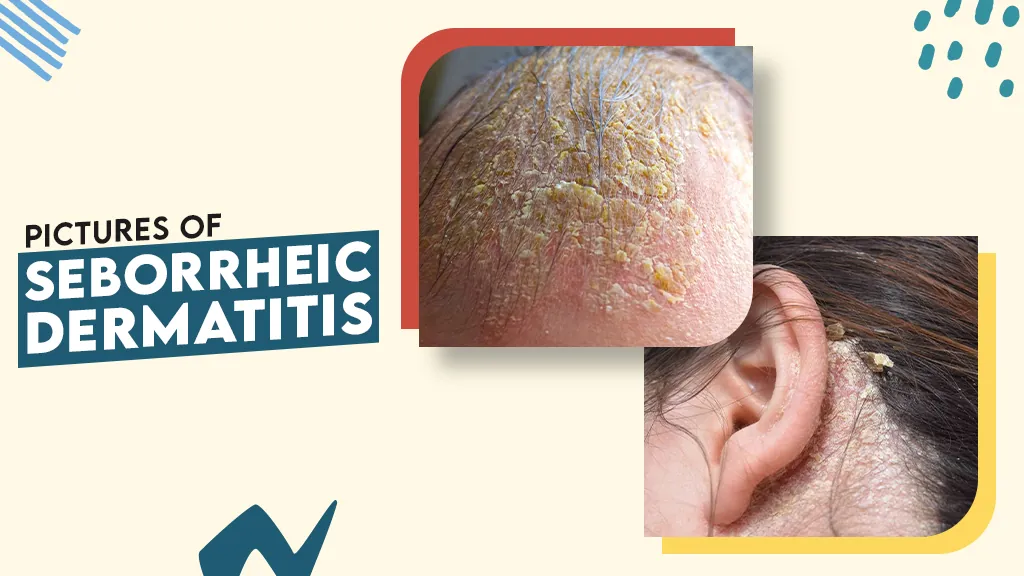
Scalp seborrheic dermatitis
White or yellow flakes and greasy or dry-looking patches of scale, sometimes extending to the hairline. In babies, this scalp pattern is called cradle cap; older children and adults may have more itching and recurrent flares.
Seborrheic dermatitis on the face and ears
Recurring white or yellowish scale often affects the eyebrows, nose creases, beard area, hairline, and skin around or behind the ears. Itching or burning may accompany the rash. See facial care below.1
Body
The chest and some skin folds can also develop a scaly rash.
Seborrheic dermatitis on darker skin
On lighter skin, inflammation may look pink or red. On darker skin, patches can look darker, purple, grayish, or lighter than the surrounding skin. Some people develop curved or petal-shaped patches near the hairline. Color alone cannot confirm or rule out the condition.
Common locations by age
In babies, seborrheic dermatitis can also involve the eyebrows, areas behind the ears, neck folds, armpits, or diaper folds. In older children and adults, the scalp, central face, ears, chest, and other skin folds are common sites. 1
Find help for the area that is bothering you
Causes of seborrheic dermatitis
The cause of seborrheic dermatitis is not fully understood. Researchers point to a combination of skin oils, Malassezia yeast that normally lives on skin, and the skin’s inflammatory response. Having this yeast on your skin is normal; not everyone develops seborrheic dermatitis.
Hormones and the skin barrier
Hormones influence how much oil the skin makes, which helps explain the peaks in infancy and after puberty. An oily scalp alone does not explain every case: the skin barrier and the way the immune system responds also matter.
Common flare triggers
Stress, tiredness, cold or dry weather, and irritating products can contribute to flares. Triggers differ, so note changes to your routine when symptoms return. A flare does not mean the condition has become contagious.
Age and other risk factors
It is common in early infancy, becomes more common again around adolescence, and can recur throughout adulthood. Adults with oily skin or a family tendency may be more susceptible, and it is more common in men.
Associated health conditions and medications
Some health conditions are associated with a higher risk or more severe disease, including Parkinson’s disease and other neurologic disorders, HIV or other causes of immune suppression, and Down syndrome. Seborrheic dermatitis can also coexist with psoriasis or rosacea. Some medications can contribute to flares.
Most people with seborrheic dermatitis are otherwise healthy. Having it does not mean that you have one of these conditions, and a risk factor does not predict whether an individual will develop it. If symptoms began after a medication change, discuss that with the prescriber. 2,3
More about Malassezia yeast and scalp symptoms →
For its roles beyond the scalp, the broader Malassezia yeast overview compares the skin conditions associated with this normal skin organism.
Babies, older children, and adults need different approaches
Babies: start with gentle cradle-cap care
Cradle cap is the common name for seborrheic dermatitis on a baby’s scalp. It often appears in the first few months of life.
The scales may look dramatic, but babies are usually comfortable. It commonly improves over a few months. Gentle washing and a soft brush can help lift scales that have already loosened. Avoid picking or scraping attached crusts.
On a baby’s face, clean gently with lukewarm water and a mild, fragrance-free cleanser, then rinse and pat dry. Leave attached scales alone. Keep scalp brushes away from the forehead, eyebrows, and eyes. The baby eyebrow guide covers care in that area.4
If the rash is widespread, swollen, bleeding, oozing, or making your baby uncomfortable, ask your pediatrician to examine it. Follow the directions for the product you use; age and application area matter.
Read the complete cradle cap guide →Older children, teenagers, and adults
Seborrheic dermatitis becomes more common again around adolescence and can recur in adulthood. A routine may need to treat an active flare and then maintain control. In a school-age child, a scaly scalp with broken hairs or bald patches needs evaluation for other causes, including scalp ringworm. 4,5
The adult scalp seborrheic-dermatitis guide develops that longer-term approach, including care when scale returns after an improvement.
Seborrheic dermatitis treatment and daily care
The goal is to control flaking, scaling, and irritation, then reduce returning symptoms. The right treatment depends on where the rash is, the person’s age, and how inflamed the skin is.
Regular shampoo and medicated treatment
Regular baby shampoo can help loosen and wash away mild cradle cap scale. A fragrance-free baby shampoo, gentle handling and removal of scales that have already loosened may be enough while the condition settles. Avoid scraping attached crusts. The Mayo Clinic cradle-cap guidance describes this approach.
For an older child or adult, a tolerated regular shampoo can clean the scalp, but the words “baby shampoo” do not make it a treatment for recurring seborrheic dermatitis. If ordinary washing does not control dandruff, a medicated shampoo may be needed. Its active ingredient, directions and contact time matter more than a mild-sounding product name. Mayo Clinic distinguishes routine washing from anti-dandruff treatment.
If a baby’s scale persists, worsens or spreads, ask the pediatrician about the specific next product and how to use it. Adult shampoo directions should not be transferred to infants. See the cradle cap guide for the complete infant-care sequence and the Head & Shoulders comparison for formula-specific questions.
Petroleum jelly and mineral oil
Petroleum jelly, including Vaseline, and mineral oil can help soften stubborn cradle cap scale before washing. Their purpose is to loosen scale so it can be removed gently; they are not antifungal medicines. Mayo Clinic describes using petroleum jelly or a few drops of mineral oil, then gently brushing loosened scale and shampooing away the residue. Leaving oil on an infant’s scalp can make buildup worse. Do not pull at scales that remain attached.
In adults, mineral oil may also be used before washing to soften adherent scalp scale. This is a preparation step, not a substitute for treatment when seborrheic dermatitis remains active. A heavy layer of Vaseline is not a reliable way to control adult dandruff and can be difficult to wash out of hair.
On dry facial skin, a tolerated fragrance-free moisturizer can support comfort, but petroleum jelly alone does not treat the inflammatory condition. Recurring scale around the nose, eyebrows or beard may need the targeted treatment described below. Keep scalp products away from the eyes and lash line, and reassess anything that worsens irritation.
The infant scale-softening advice and adult scalp-care guidance describe different routines. For its broader role in moisturizers, read about petrolatum.
Choose a medicated shampoo or treatment for the area
Medicated shampoos can help scalp symptoms. Common over-the-counter options for older patients include pyrithione zinc, ketoconazole, and selenium sulfide; salicylic acid can help loosen scale. These ingredients have different roles, and product strengths, age limits, and directions vary. An adult dandruff product is not automatically appropriate for a baby. Some washes can also be used on affected skin when their label or a clinician recommends it. Eyelids need care suited to that sensitive area.5,6
Keep everyday cleansing gentle
Use lukewarm water, avoid scrubbing, and rinse thoroughly. Choose fragrance-free products that your skin tolerates. A soft brush may help remove loose scales; it should not scrape or hurt the skin.
Moisturize skin that feels dry
A fragrance-free moisturizer can support comfortable skin between treatments. A cleanser and moisturizer each have a role, while medication addresses active symptoms when needed.
Reassess if the routine is not enough
If a routine is not helping, a clinician can check the diagnosis and decide whether prescription treatment is needed. Avoid repeatedly switching or combining treatments without a clear plan.
Facial seborrheic dermatitis needs treatment suited to facial skin
For teens and adults, gentle fragrance-free cleansing and moisturizing can support the skin between treatments. Rinse thoroughly and avoid scrubs or products that sting. A clinician may recommend an antifungal cream or a suitable medicated wash; inflamed facial patches sometimes need a short course of an appropriate anti-inflammatory treatment. Scalp medicines and steroid strengths are not automatically suitable for the face or a child’s skin.6,7
For a rash concentrated in the brows, see eyebrow dandruff and other causes of flaking. A rash that persists despite directed care may need another diagnosis or a revised treatment plan.
Itching without the usual flaky pattern may call for a different explanation. The itchy-eyebrows guide explores those possibilities.
Eyelid and eyelash symptoms need separate care
Crust at the lash roots, sore eyelids, or gritty eyes can occur with blepharitis, which may accompany seborrheic dermatitis. Keep dandruff wash away from the eyes and lash line. Seek advice about eyelid care if symptoms persist or worsen. Our eyelid dermatitis guide explains other possible patterns.
Eye pain, a very red eye, or a change in vision needs urgent assessment.12
When prescription treatment helps
A clinician may add a topical antifungal such as ketoconazole or ciclopirox, or a short course of an appropriate corticosteroid for inflammation. Sensitive areas may need a steroid-sparing treatment such as a topical calcineurin inhibitor. Roflumilast foam is another prescription option. Product, strength, age, and body area all matter; persistent symptoms may also mean the diagnosis needs another look. 6,7
Oral medication for selected cases
If seborrheic dermatitis is widespread or remains troublesome despite an appropriate topical treatment plan, a dermatologist may consider an oral antifungal, such as itraconazole, for a selected adult. This is a prescription decision, with attention to other medicines, health conditions and possible side effects. The AAD describes oral antifungals as an option when topical care is insufficient, often followed by topical maintenance treatment. Oral medication is not routine care for a baby’s cradle cap; persistent or unusual scaling in a baby needs a pediatric assessment.
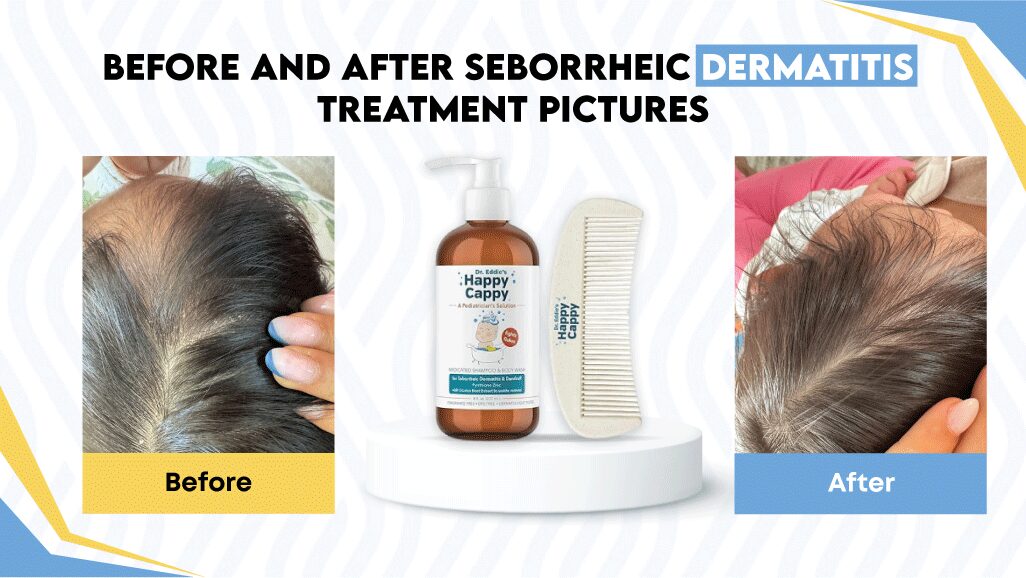
For the routine in more detail: how often to wash your hair and what to expect as a dandruff shampoo starts working.
For loose scales on a baby’s scalp or in short hair, the soft silicone Beanie Brush is an optional aid. Its short bristles may be less practical for longer, thicker hair. Stop if brushing causes discomfort.
For longer hair, our adult scalp-brush guide explains how bristle reach, hair density and a light touch affect the choice.
Conditions that resemble seborrheic dermatitis
These clues can help explain why an examination matters. Conditions can overlap, and a single feature does not settle the diagnosis.
| Condition | A useful clue |
|---|---|
| Seborrheic dermatitis | Flakes or scale in oil-rich areas such as the scalp, eyebrows, and sides of the nose. |
| Atopic dermatitis | Dryness and prominent itching; age and the rash’s distribution help distinguish it. |
| Psoriasis | More clearly defined, thicker patches; it can coexist with seborrheic dermatitis. |
| Scalp ringworm | Broken hairs or patchy hair loss with scaling. It needs medical treatment; shampoo alone is not enough. |
| Contact dermatitis | A rash after exposure to an irritating product or an ingredient the person is allergic to. |
| Rosacea | Flushing, persistent central-face color changes, or acne-like bumps; it may coexist with seborrheic dermatitis. |
| Seborrheic keratosis | A discrete, often waxy or rough skin growth rather than a recurring flaky rash. |
Tinea capitis vs. seborrheic dermatitis

Tinea capitis is scalp ringworm: a contagious infection involving the scalp and hair shafts. It can cause scale, broken hairs, black dots where hairs have broken, or patchy hair loss. Some cases look more like diffuse dandruff, so a neat ring is not required.
A clinician may examine affected hairs or scalp scrapings to distinguish the conditions. Scalp ringworm usually needs an antifungal medicine taken by mouth; shampoo alone does not reach the infection within the hair. Seborrheic dermatitis is not contagious and is treated with a different routine. 9
Seborrheic dermatitis vs. seborrheic keratosis

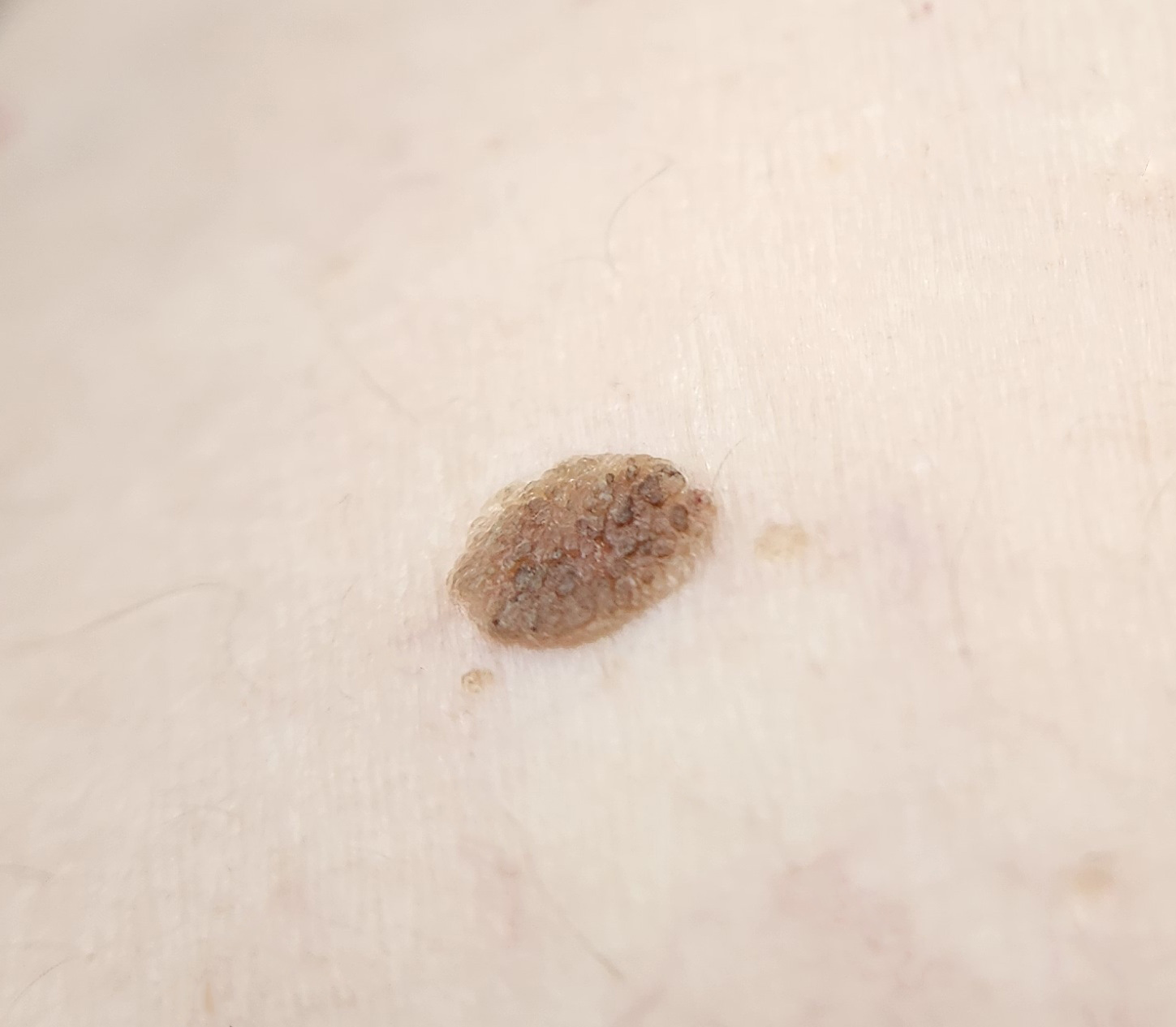
The similar names describe different conditions. Seborrheic dermatitis is a flaky, inflammatory rash. A seborrheic keratosis is a benign skin growth, often with a waxy, rough, or “stuck-on” appearance. It is more common as people get older and may be skin-colored, brown, or black.
Dandruff shampoo does not remove a seborrheic keratosis. Have a clinician examine a new, changing, bleeding, or uncertain growth rather than assuming that every scaly spot is dermatitis. 10
Rosacea vs. seborrheic dermatitis
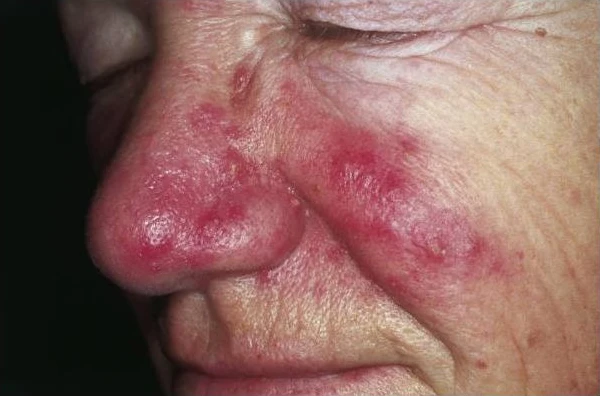
Rosacea often causes recurring flushing, persistent facial color changes, visible small vessels, or acne-like bumps on the central face. Seborrheic dermatitis more often produces scale around the eyebrows, sides of the nose, ears, and scalp. They can occur together, so a face rash may need care for both conditions. 11
Seborrheic dermatitis and hair loss
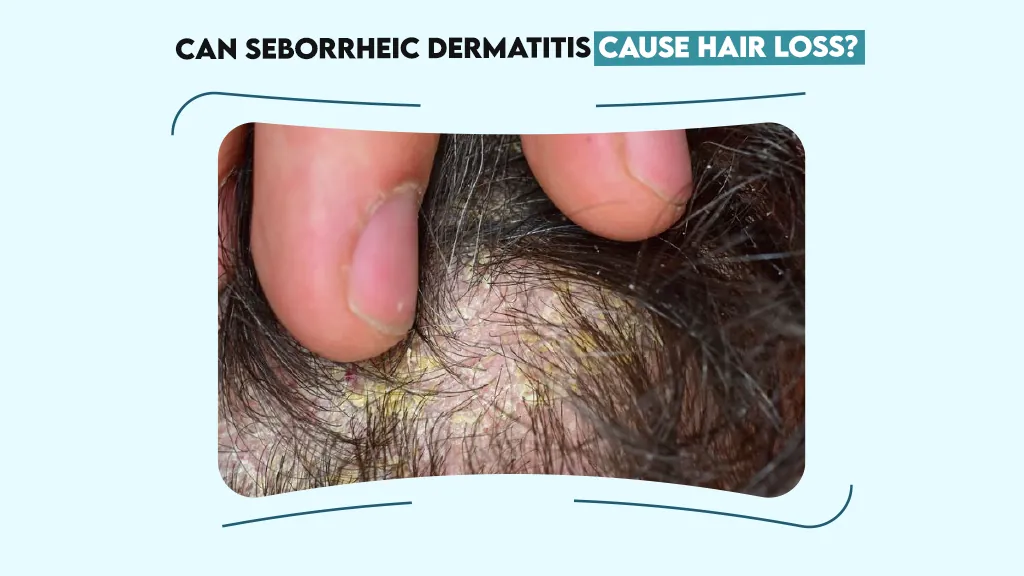
Seborrheic dermatitis usually does not cause permanent hair loss. Inflammation, scratching, or pulling off attached scales can contribute to temporary shedding or breakage. Distinct bald patches, broken hairs, or ongoing shedding should be examined, especially in a child.
When to see a clinician
Ask for an examination if you are unsure of the diagnosis, the rash keeps returning despite your care plan, or treatment is not helping. Also check in if itching is disrupting sleep or daily life.
Get medical advice promptly for:
Washing frequency and your routine
The schedule depends on your hair texture, scalp symptoms and the product you use. Follow its directions and your clinician’s plan. Our washing-frequency guide explains how to build a routine around those factors.
Sources & further reading
- American Academy of Dermatology: Seborrheic dermatitis: signs and symptoms.
- American Academy of Dermatology: Seborrheic dermatitis: causes and risk factors.
- British Association of Dermatologists: Seborrhoeic dermatitis patient information.
- NHS: Cradle cap.
- DermNet: Seborrhoeic dermatitis.
- American Academy of Dermatology: Seborrheic dermatitis: diagnosis and treatment.
- American Academy of Dermatology: Seborrheic dermatitis: self-care.
- DailyMed: Happy Cappy Drug Facts and ingredient label.
- DermNet: Tinea capitis.
- DermNet: Seborrhoeic keratosis.
- DermNet: Rosacea.
- NHS: Blepharitis.
- About
- Latest Posts

- Choosing Diapers for Your Newborn: Fit, Materials, and Sensitive Skin - October 09, 2026
- Stretch Marks in Teens Usually Fade With Time - October 05, 2026
- Neurodermatitis (Lichen Simplex Chronicus): Symptoms and Treatment - September 26, 2026
Suggested Products




Buy today
-
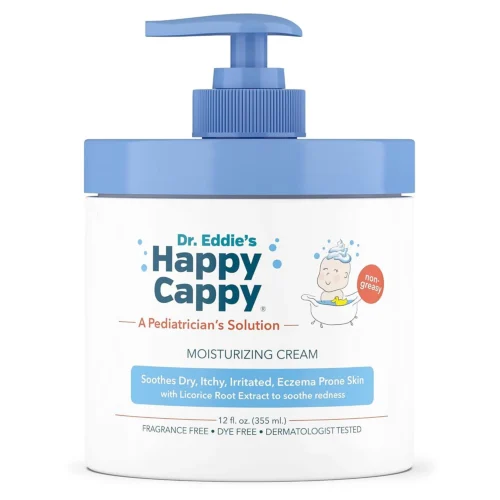 Moisturizing Cream for Dry, Itchy, Eczema-Prone Skin, 12 oz Pump Jar
$25.65 / 3 weeks – $49.00
Moisturizing Cream for Dry, Itchy, Eczema-Prone Skin, 12 oz Pump Jar
$25.65 / 3 weeks – $49.00
-
 Complete 3-Step Routine for Cradle Cap & Eczema-Prone Sensitive Skin
Original price was: $51.45.$47.00Current price is: $47.00.
Complete 3-Step Routine for Cradle Cap & Eczema-Prone Sensitive Skin
Original price was: $51.45.$47.00Current price is: $47.00.
-
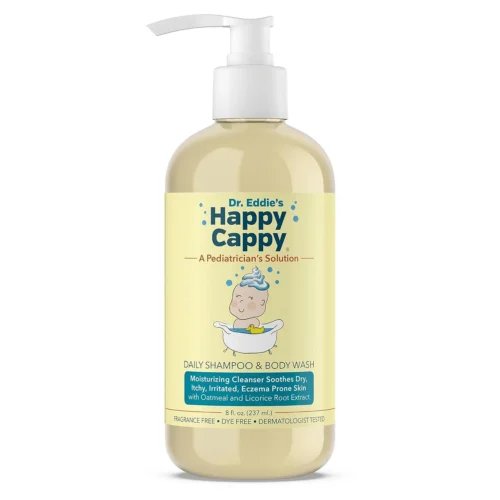 Daily Eczema Shampoo & Body Wash for Dry, Itchy, Sensitive Skin
$24.70 / 3 weeks – $109.08
Daily Eczema Shampoo & Body Wash for Dry, Itchy, Sensitive Skin
$24.70 / 3 weeks – $109.08