
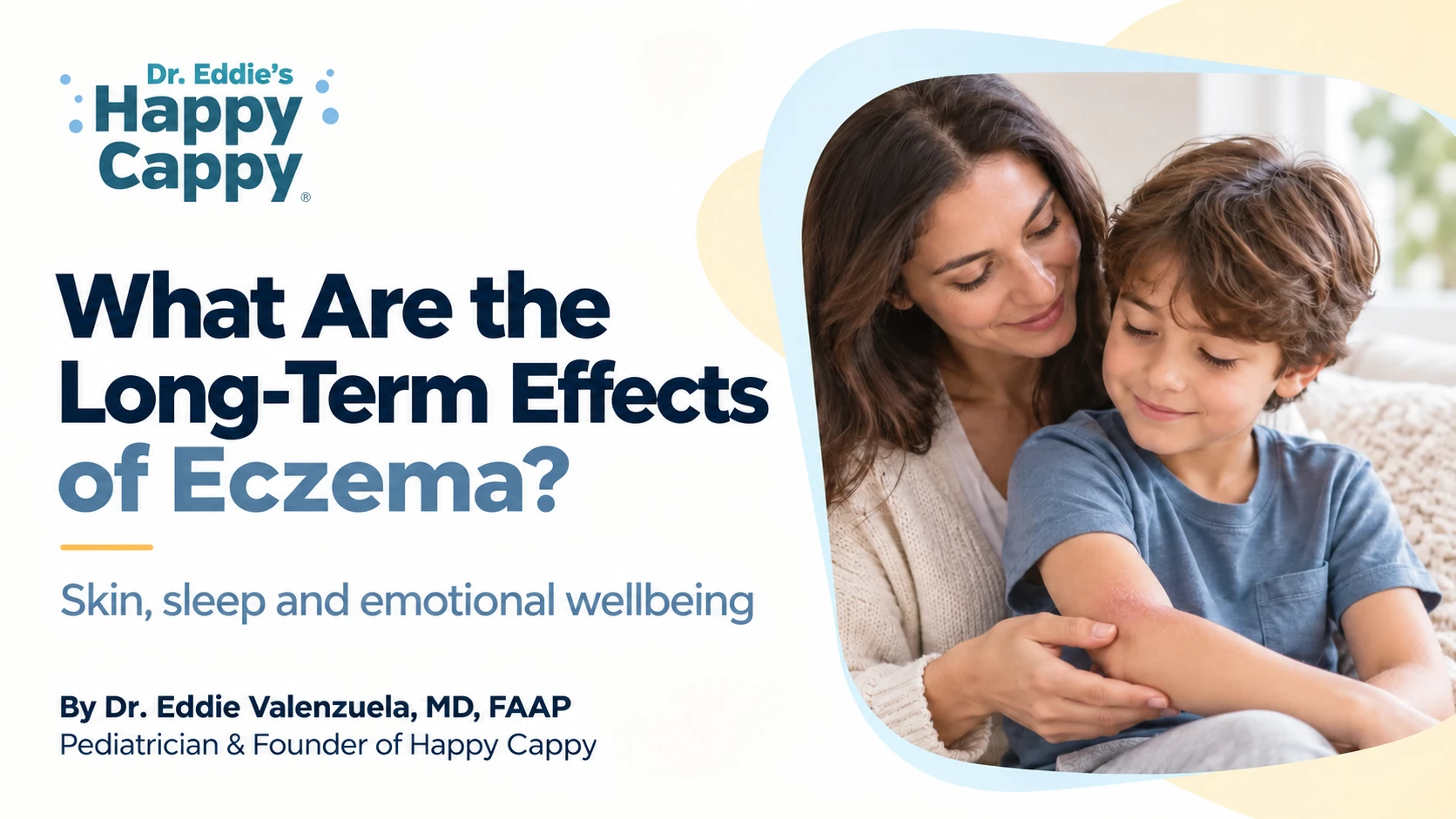
Eczema can affect more than the appearance of the skin. Ongoing itch may interrupt sleep, scratching can damage the skin, and living with repeated flares can affect emotional wellbeing. This guide focuses on atopic dermatitis, the most common form of eczema.
Quick answer: Long-term effects of eczema can include recurring skin irritation, changes in skin color or texture, skin infections, sleep problems and emotional distress. Some other conditions occur more often in people with atopic dermatitis, but an association does not prove that eczema directly causes them. Having eczema does not mean you will develop every condition discussed here.
Many children improve as they grow, while other people have flares that continue or return in adulthood. The goal is a practical treatment plan that supports daily life, with attention to symptoms beyond the rash.
Asthma, Hay Fever and Food Allergies
Asthma and Hay Fever
Atopic dermatitis, allergic asthma and hay fever often occur together. They share an allergic tendency; eczema is not simply a symptom of hay fever. Some children develop additional allergic conditions over time, a pattern called the atopic march, but this is not an inevitable sequence. The National Eczema Association’s overview of related conditions explains these links.
Food Allergies
Food allergy is more common in children with atopic dermatitis, but a rash alone does not identify a food allergy. Do not remove major foods just because eczema is present. Discuss repeatable food reactions or poorly controlled eczema with the child’s clinician, who can decide whether targeted testing is appropriate. AAD guidance on allergy testing explains why not every child needs tests.
Skin Infections
Atopic dermatitis weakens the skin barrier, and scratching can create further breaks in the skin. Bacterial infections such as impetigo or cellulitis can develop. These infections need assessment and may require treatment beyond the usual eczema routine.
Eczema herpeticum is an uncommon but serious infection caused by herpes simplex virus. A sudden outbreak of painful blisters or sores needs urgent assessment. Eczema itself is not contagious; an infection occurring on eczema-affected skin is a separate problem. See the warning signs below.
Mental Health and Family Wellbeing
Depression and anxiety occur more often in people with eczema. Itch, visible flares, disrupted sleep and the effort of managing a chronic condition can contribute to distress. These problems deserve care in their own right, rather than an instruction to simply stay positive.
Children may need help handling teasing, discomfort at school or worries about their appearance. Parents and caregivers may also feel exhausted or overwhelmed. Listen without blame and bring persistent sadness, anxiety, withdrawal or difficulties coping to a healthcare professional. Practical support and an effective eczema treatment plan can both matter.
Sleep Disturbances
Itching may make it hard to fall asleep or stay asleep. This can leave children, adults and caregivers tired the next day. Tell your clinician if sleep is repeatedly disrupted, even when the visible rash seems small.
A comfortable bedroom, gentle bedtime skin care and a plan for controlling inflammation can help. Antihistamines are not routine eczema treatment: they do not treat the inflammation or reliably relieve eczema itch. A clinician may sometimes use a sedating antihistamine briefly for sleep. See AAD guidance on antihistamines and eczema.
Skin Changes and Scarring
Repeated rubbing and scratching can leave skin thickened or leathery. After a flare settles, the area may remain lighter or darker than surrounding skin. These color changes are not automatically scars. Deeper injury from scratching can leave scars, so persistent itch deserves treatment. AAD information on eczema symptoms describes changes in skin color and texture.
Other Related Health Conditions
Some concerns require a separate diagnosis. New eye symptoms, patchy hair loss or other health changes should not automatically be attributed to eczema.
Eye and Eyelid Problems
Eyelid dermatitis can occur with atopic dermatitis, but contact irritation or allergy may also be responsible. Allergic conjunctivitis can occur alongside eyelid eczema. Ask for advice about persistent symptoms and which treatments are suitable near the eyes. Eczema UK’s guidance on eczema around the eyes explains these distinctions.
Hair Loss and Alopecia Areata
Atopic dermatitis is associated with alopecia areata, an autoimmune condition that causes patchy hair loss. This does not mean every person with eczema will lose hair or that all shedding has the same cause. New bald patches or persistent shedding should be assessed. Our eczema and hair loss guide discusses this separately.
Bone Health and Fractures
A large study of adults with atopic eczema found an association with certain fractures, particularly in people with severe eczema. This observational result does not show that eczema directly causes osteoporosis, and a fracture is not itself a diagnosis of osteoporosis. Discuss personal bone-health concerns and relevant medicines with your clinician; these adult findings should not be treated as a prediction for a child.
Heart and Cardiovascular Health
Some adult studies, including a large UK cohort study, have found higher cardiovascular risk with severe or persistently active atopic eczema. Results vary, and the AAD guideline review describes uncertainty around several cardiovascular associations. This does not establish that untreated eczema causes heart attacks or that treating the rash prevents heart disease. Adults should discuss their overall cardiovascular risk with their usual healthcare professional.
When to Get Medical Help
Arrange a review when eczema keeps recurring despite the agreed plan, disrupts sleep or daily activities, or affects emotional wellbeing. Also ask about persistent eye irritation or new hair loss.
- Get prompt medical assessment for pus, new weeping or crusting, increasing warmth or pain, quickly worsening skin, fever or feeling unwell.
- Seek urgent care for sudden widespread painful blisters or sores, especially near the eyes. Eye pain or changes in vision also need urgent assessment.
NHS guidance on atopic eczema outlines signs that can indicate infection.
Living With Eczema Long Term
You do not have to manage persistent symptoms alone. Work with a pediatrician or dermatologist on a plan that covers everyday care, flare treatment and when to return for a review.
- Use a gentle, fragrance-free cleanser and avoid hot water or scrubbing.
- Apply a fragrance-free cream or ointment regularly, including after washing.
- Use prescribed treatment as directed for the person and the affected body area.
- Focus on known irritants and repeatable triggers rather than restricting every possible exposure.
- Include sleep, school or work, and emotional wellbeing in follow-up discussions.
For daily care, Happy Cappy Daily Shampoo & Body Wash gently cleanses dry, sensitive, eczema-prone skin, and Happy Cappy Moisturizing Cream supports moisturization and the skin’s moisture barrier. These products complement care and do not replace prescribed treatment for eczema or its complications.
See our guide on what to do when eczema flares up and AAD self-care advice for practical next steps. Eczema can be a long-term condition, but its impact can change, and there are treatment options when the current plan is not enough.
FAQs
- About
- Latest Posts

- WhatToExpect Mentioned Happy Cappy Shampoo as the Best Medicated Shampoo For Cradle Cap - September 29, 2025
- Parents.com Mentioned Happy Cappy Shampoo in the List of 10 Best Shampoos for Babies and Kids of All Hair Types - September 29, 2025
- Chain Drug Review Covers Happy Cappy’s CVS Launch Nationwide - August 27, 2025
Is eczema a lifelong condition?
Atopic dermatitis can be long term, but its course varies. Many children improve as they grow, while others have flares that continue or return later. A period of clear skin does not guarantee that eczema will never recur.
Can eczema cause other health issues?
Eczema can contribute to broken skin, skin infections, disturbed sleep and emotional distress. Some other conditions occur more often in people with atopic dermatitis, but a statistical association does not prove that eczema directly causes each condition.
Can eczema be a symptom of hay fever?
Eczema is not simply a symptom of hay fever. Atopic dermatitis and hay fever often occur in the same person because of a shared allergic tendency. Pollen or another allergen may aggravate eczema in some people who are sensitive to it.
Are eczema and asthma linked?
Yes. Atopic dermatitis and allergic asthma occur together more often than would be expected by chance. Some children develop additional allergic conditions as they grow, but having eczema does not mean a child will inevitably develop asthma.
Can eczema cause sleep problems?
Yes. Itching and discomfort can make it hard to fall asleep or stay asleep, and caregivers may also lose sleep. Repeated sleep disruption is a reason to review the treatment plan with a clinician.
How can eczema affect mental health?
Eczema is associated with anxiety and depression. Itch, visible flares, poor sleep and the daily burden of care can affect confidence and wellbeing. Persistent sadness, anxiety or withdrawal deserves professional support, including for children and caregivers.
Can eczema cause heart issues?
Some studies in adults have found an association between severe or active atopic eczema and cardiovascular disease. This does not prove that eczema causes heart disease, and findings should not be applied directly to children. Discuss your overall risk with your clinician.
Does eczema leave permanent scars?
Not every mark left after eczema is a scar. Skin may remain lighter or darker after inflammation settles, and repeated scratching can thicken it. Deeper skin injury can leave scars. Ask for help with persistent itch or skin changes.
Does every child with eczema need food-allergy testing?
No. Testing should be guided by the child’s history and symptoms, such as a repeatable food reaction or eczema that remains poorly controlled. Do not remove major foods solely because of eczema; discuss concerns with the child’s clinician.
Buy today
-
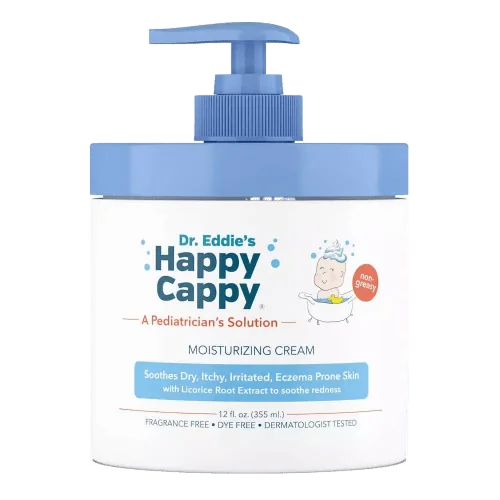 Moisturizing Cream for Dry, Itchy, Eczema-Prone Skin, 12 oz Pump Jar
$25.65 / 3 weeks – $49.00
Moisturizing Cream for Dry, Itchy, Eczema-Prone Skin, 12 oz Pump Jar
$25.65 / 3 weeks – $49.00
-
 Complete 3-Step Routine for Cradle Cap & Eczema-Prone Sensitive Skin
Original price was: $51.45.$47.00Current price is: $47.00.
Complete 3-Step Routine for Cradle Cap & Eczema-Prone Sensitive Skin
Original price was: $51.45.$47.00Current price is: $47.00.
-
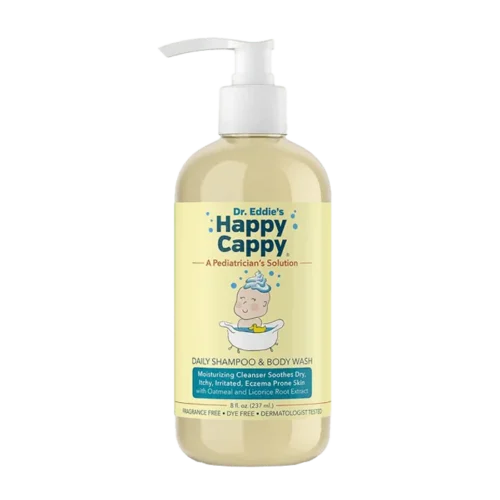 Daily Eczema Shampoo & Body Wash for Dry, Itchy, Sensitive Skin
$24.70 / 3 weeks – $109.08
Daily Eczema Shampoo & Body Wash for Dry, Itchy, Sensitive Skin
$24.70 / 3 weeks – $109.08