

Quick answer
The best cream for itchy skin depends on what is causing the itch. A fragrance-free moisturizer can help dry skin; a steroid cream treats certain inflammatory rashes; and a medicine such as pramoxine provides temporary itch relief. Check the active ingredient, intended use and directions before choosing. Persistent or widespread itching needs a diagnosis, rather than a stronger cream by default.
Products called “itch creams” can do very different jobs. Use this guide to compare their purpose. For an unexplained itch, start with our guide to itchy skin and its causes.
Different creams have different roles
| Product type | What it does | What to check |
|---|---|---|
| Daily moisturizer | Adds moisture and helps reduce water loss from dry skin. | Choose a fragrance-free cream or ointment that feels comfortable on your skin. |
| Topical steroid | Reduces inflammation in conditions such as eczema or contact dermatitis. | Hydrocortisone is one example. Suitability depends on the diagnosis, age, body area and treatment duration. |
| Temporary itch-relief medicine | Ingredients such as pramoxine can ease the sensation of itching. | Symptom relief does not identify or treat every underlying cause. Follow the product's Drug Facts directions. |
| Prescription treatment | Treats a diagnosed condition; options include steroid and nonsteroid medicines. | Use the treatment chosen for you. A prescription nonsteroid cream is still medicine. |
Hydrocortisone guidance and the AAD's itch-relief advice explain these different roles. “Steroid-free” alone does not tell you whether a product is a moisturizer or another type of medication.1,2
The label explains the intended use
For an over-the-counter medicine in the United States, read the Drug Facts panel, not just the claim on the front:3
- Active ingredient and purpose: Identify the medicine and its strength. Similar brand names can contain different ingredients.
- Uses: Check that the product is intended for the problem you are treating.
- Warnings: Look for restrictions involving children, pregnancy, damaged skin or other medicines.
- Directions: Check the age limit, application area, frequency and maximum duration. Follow instructions about when to stop and seek advice.
Ask a pharmacist or clinician before choosing a medicated cream for a baby or using one on the face, eyelids or genital skin. Do not assume a product suitable for an adult's arm is suitable for every family member or body area. For facial dryness, use a gentle, fragrance-free moisturizer intended for the face and keep it out of the eyes. A stronger steroid is not automatically a better choice; the medicine must fit the condition and body area.1
Choosing a moisturizer your skin tolerates
For dry, sensitive skin, start with a fragrance-free cream or ointment. “Unscented” may still include ingredients that mask fragrance. Useful moisturizing ingredients include glycerin, petrolatum and dimethicone; the AAD lists all three among options for dry skin. Dimethicone is not an ingredient everyone with itchy skin needs to avoid.4
Choose according to your known allergies and how your skin responds to the complete formula. A long “free-from” list does not establish that a cream will suit you. If a product causes persistent burning, a new rash or worsening itch, stop using it and ask for advice.
For texture comparisons and a fuller ingredient explanation, see our eczema moisturizer guide.
Moisture care for dry, irritated, itchy skin
When irritation comes with dryness, a fragrance-free moisturizing cream or ointment can help replenish moisture. There is no single best cream for irritated skin: eczema or contact dermatitis may also need treatment for inflammation. If symptoms began after a skincare product, stop using it and review likely triggers in our irritated skin guide.
A moisturizer supports daily skin care. Persistent burning or a worsening rash needs assessment, and moisturizing does not replace prescribed treatment for a flare.
Itching that needs medical assessment
If itching is widespread, keeps returning, disrupts sleep or has no clear cause, arrange a medical assessment. A cream cannot address every reason for itching. Get prompt advice for a painful, spreading rash, pus or fever; difficulty breathing or swelling of the tongue or throat needs emergency care.
Our itchy-skin treatment, relief and prevention guide covers what to do next, including care routines and medicines for specific causes.
The role of Happy Cappy Moisturizing Cream
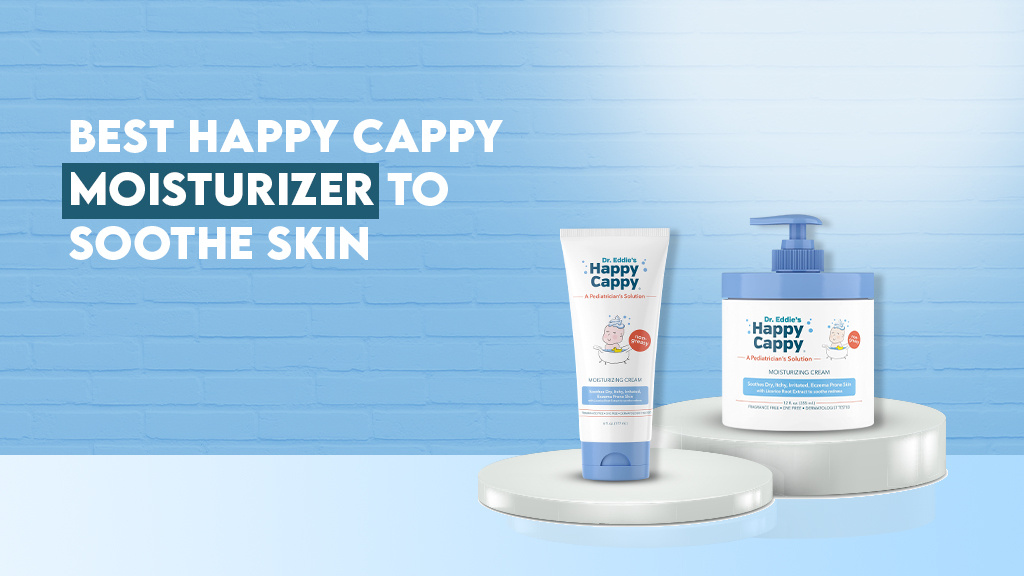
Happy Cappy Moisturizing Cream belongs in the daily-moisturizer category. Its fragrance-free formula contains glycerin to attract moisture and petrolatum to help retain it. Licorice root extract, listed as dipotassium glycyrrhizate, helps calm the look of redness. It is intended for dry, sensitive, eczema-prone skin on the face and body.
The cream also has a SkinSAFE 100 rating, an ingredient-screening rating. It does not mean that a product is free of every possible allergen or guaranteed to suit every person. Check the current ingredient list against your own known allergies.
Use it as part of regular skin care, including alongside a prescribed treatment when your clinician recommends that combination. It does not contain hydrocortisone and does not replace treatment for an infection or an eczema flare that needs medication.