

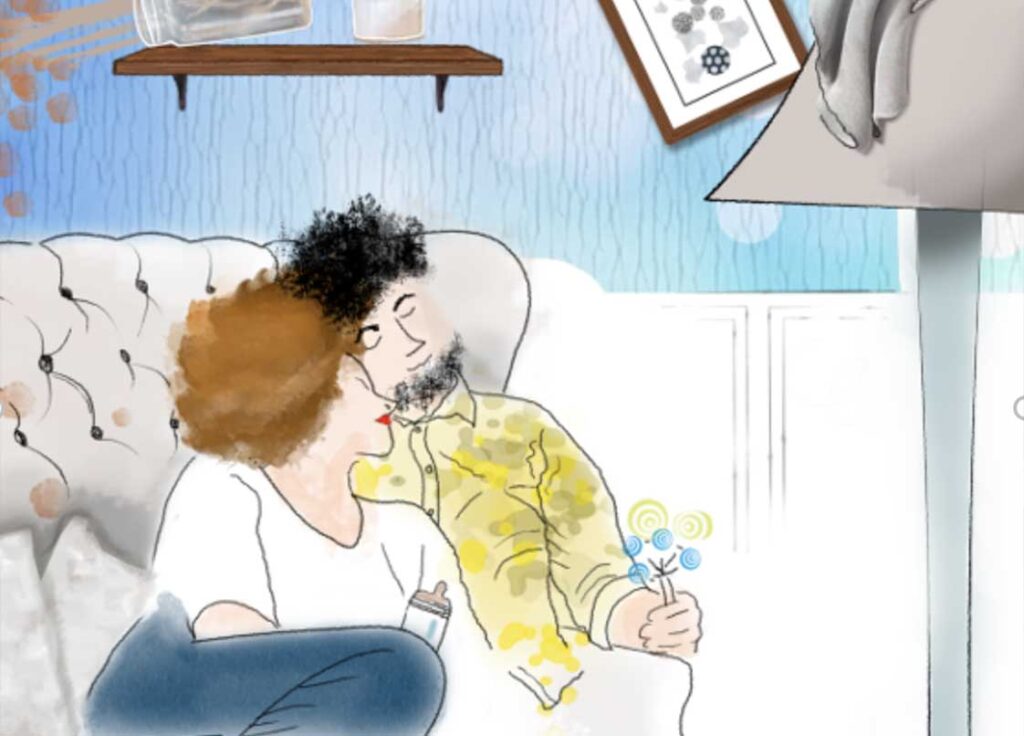
The myth: Loving your baby means enjoying every moment of parenthood.
A little reassurance: You can love your baby deeply and find parts of the day very hard. Asking for practical or emotional support is part of caring for your family.
In this story
Mixed emotions are part of parenting
A first smile can be wonderful. So can a hot meal someone else prepared while you finally sit down. You may feel delighted, bored, grateful, frustrated, or lonely at different points in the same afternoon.
You do not have to enjoy every diaper change to be a loving parent. And you do not need to add guilt to an already difficult night. A hard moment is one part of the day, not a verdict on the relationship.
Feeding is care, not a contest
Feeding can take more practice and support than families expect. If you want to breastfeed and it is difficult, ask for help with comfort, latch, and milk transfer. If you use formula or combine approaches, ask your pediatrician about safe preparation and whether your baby is getting what they need.
Keep the conversation focused on the baby's nourishment and your family's circumstances. Other people's highlight reels leave out a surprising amount of washing up.
Ask for help someone can actually give
“Let me know if you need anything” is kind, but it leaves you with another job: inventing the assignment. A specific request is easier to act on.
- Could you bring dinner on Tuesday?
- Could you hold the baby while I shower?
- Could you take the next diaper change?
- Could you sit with me for a little while?
When someone offers practical help, accepting it can be the most useful thing you do that day. If you share care with a partner, make the invisible jobs visible: appointments, supplies, laundry, and remembering which tiny outfit is suddenly too small.
Planning a chance to rest
Rest sometimes needs a plan; “sleep when the baby sleeps” is not always workable. If a partner, relative or friend can help, agree on a specific stretch when they will handle diaper changes and settling while you rest, with feeding needs still covered. They can also take over chores so a quiet moment does not become another work shift. If you feel yourself dozing while holding your baby, place the baby on their back in their own firm, flat crib or bassinet, free of loose bedding. Avoid falling asleep together on a couch or armchair.3
You do not have to diagnose everything yourself
New parents often wonder whether a sound, rash, or diaper is normal. Bring questions to your pediatrician, especially when something changes or your baby seems unwell. Keeping a short list can help you remember what you wanted to ask.
For a broad view of growing and learning, see your baby's first year. For a loud afternoon, our crying-baby guide includes ways to comfort your baby and take a safe break.
Persistent distress deserves support
Persistent sadness, anxiety, hopelessness, or difficulty functioning deserve a conversation with your own health care professional. Symptoms that are severe, last longer than two weeks after birth, or make caring for yourself or your baby difficult may need treatment. You can ask sooner; you do not have to wait two weeks when you are struggling.
Postpartum depression is treatable. Confusion, hallucinations, or feeling that you may act on thoughts of harming yourself or your baby requires immediate emergency help. Put the baby safely down, get another adult involved if possible, and contact emergency services.
A small thing to try today
Name one part of the day that felt good and one part you need help with. Both can be true. Your family has room for joy, unfinished laundry, and a parent who is a human being.