


Quick answer: Breast eczema can cause itchy, dry, scaly or cracked skin on the breast. Gentle cleansing, regular moisturizing and treatment matched to the cause can help. A moist rash underneath the breast may need different care. Have a persistent nipple rash, new nipple discharge or other unexplained breast changes examined.
A breast rash can make an ordinary day uncomfortable. Clothing rubs, sweat stings and scratching can leave the skin sore. Finding out what is causing the irritation helps you choose care that makes sense for that part of the body.
This guide focuses on the skin of the breast and the fold underneath it. For symptoms centered on the nipple or areola, including nursing-related concerns, see our nipple eczema and breastfeeding-care guide.
Breast eczema and related dermatitis
Breast eczema describes an itchy, inflamed rash affecting breast skin. It can occur with atopic dermatitis or follow contact with something that irritates the skin or causes an allergic reaction. These conditions can look similar but have different triggers.
People of any gender can develop eczema on the chest or breast. A personal history of eczema makes an atopic flare more likely, but a new rash still deserves attention rather than an automatic eczema diagnosis. Eczema itself is not contagious. Cleveland Clinic: breast eczema.
Symptoms and appearance
Common features include itching, rough or flaky patches, small cracks and skin that becomes thicker with repeated rubbing. Inflammation may look pink or red on lighter skin and darker brown, purple or gray on deeper skin tones. Texture, itch and a change from your usual skin color can be more noticeable than redness.
Scratched or inflamed skin may weep or develop crust. Fluid coming from a cracked skin surface is different from discharge emerging from the nipple opening. Tell your clinician which you are noticing, especially if the discharge is spontaneous or bloody.
Causes and everyday triggers
Atopic dermatitis involves the skin barrier and inflammation. Contact dermatitis develops when a substance damages the skin or triggers a delayed allergic reaction. A product can cause an allergy even if you have used it before without difficulty.
Think about what touches the affected area: fragranced body care, detergent, fabric softener, adhesive dressings, bra seams or a recently introduced cream. Sweat and friction can add to the irritation. A short record of new products, workouts and where the rash appears can be useful at an appointment.
Stop a suspected irritating product and simplify the routine. Repeatedly adding new creams can make the cause harder to identify. Persistent contact dermatitis may need patch testing to find an allergen. NHS: treating contact dermatitis.
Rashes in the fold beneath the breast
The fold beneath the breast traps heat and moisture. Friction between skin surfaces can lead to intertrigo, and yeast or bacteria may contribute. Eczema and psoriasis can also affect folds, so location alone does not settle the diagnosis.
Gently clean and thoroughly pat the fold dry, change out of sweaty clothing and reduce rubbing. A persistent moist, painful or spreading rash needs assessment. An antifungal may be appropriate for a fungal infection; a steroid alone does not treat that infection. Strong steroids can damage thin fold skin. DermNet: intertrigo.
Other breast conditions that can resemble eczema
Several conditions can cause discomfort around the breast. These clues help explain why the location and pattern matter, but they cannot confirm a diagnosis at home.
| Pattern | Possible explanation | Useful next step |
|---|---|---|
| Itchy, dry patches, sometimes after a new product | Atopic or contact dermatitis | Review skin care and possible exposures. |
| A damp or sore rash concentrated in the fold | Intertrigo, sometimes with infection | Ask whether testing or targeted treatment is needed. |
| A hot, painful, swollen breast with fever or feeling unwell | Mastitis or another infection | Seek prompt medical advice. |
| A persistent rash centered on one nipple, possibly with discharge or a nipple change | Several causes, including rare Paget disease | Arrange a breast examination. |
Paget disease is a rare breast cancer that can resemble eczema around the nipple. A persistent one-sided nipple rash should be examined, particularly with a lump, flattening or new discharge. An examination, imaging or biopsy may be needed; a photograph or response to a cream cannot reliably exclude it. National Cancer Institute: Paget disease of the breast.
Diagnosis and appropriate testing
A clinician will look at the rash and ask when it began, whether it itches or hurts, which products you use and whether you have eczema elsewhere. Bring the names or ingredient lists of creams you have already tried.
Testing depends on the findings. A swab or skin scraping can help investigate infection, patch testing can assess contact allergy, and a suspicious nipple change may need a biopsy. Routine blood tests and breast imaging are not necessary for every straightforward eczema patch.
Treatment and daily skin care
Make gentle care a daily habit
For dry breast skin, use lukewarm water and a mild, fragrance-free cleanser when needed. Pat dry rather than rubbing. Apply a fragrance-free cream or ointment at least twice daily and after bathing, while the skin is still slightly damp. Consistency matters: keep the moisturizer where you will actually remember to use it.
Choose comfortable clothing and a well-fitting bra that does not chafe. Change damp garments promptly. Avoid scrubs, fragranced sprays and products that repeatedly sting. A moist skin-fold rash needs its own plan rather than simply a thicker layer of moisturizer. American Academy of Dermatology: eczema skin care.
Treat inflammation when needed
A flare may need a topical corticosteroid as well as moisturizer. The appropriate strength and duration depend on the diagnosis and location. Ask before using medication on the nipple, in a fold or while breastfeeding. Avoid borrowing a stronger prescription from another body area.
Prescription nonsteroid treatments are also available for eczema. A clinician can select an option when flares recur or a steroid is unsuitable. Wider or difficult-to-control eczema may call for a broader treatment plan; injections and other systemic treatments are not over-the-counter remedies for a small breast rash.
Daily cleansing and moisture support
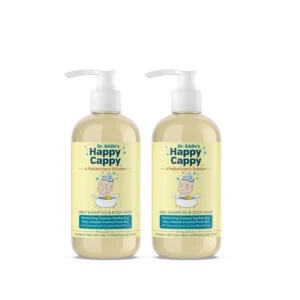
Happy Cappy Daily Shampoo & Body Wash provides gentle, fragrance-free cleansing for dry, sensitive, eczema-prone skin. It is made without SLS/SLES and contains glycerin, panthenol (provitamin B5) and hyaluronic acid to help attract and hold moisture. Licorice root extract helps calm the look of redness. Oat kernel extract, aloe vera and apple fruit extract help keep dry skin feeling soft and comfortable. Use daily or as often as needed.
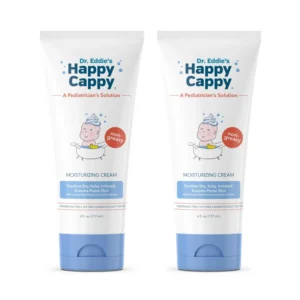
Happy Cappy Moisturizing Cream is a fragrance-free, lightweight, non-greasy moisturizer for dry, sensitive, eczema-prone skin on the face and body. Glycerin attracts moisture, petrolatum helps seal it in, and licorice root extract helps calm the look of redness. Apply at least twice daily and after washing. These products complement a skin-care routine; they do not replace treatment for an inflamed or infected rash. For application to a nursing nipple or anywhere the baby's mouth contacts, first ask your clinician to choose an appropriate product.
Signs that need medical care
Arrange an appointment for a new unexplained rash, repeated flares or symptoms that do not improve with the recommended care. Mention a persistent nipple rash, a new lump, nipple discharge or a change in nipple shape promptly.
Seek same-day advice for a hot, swollen, painful breast, fever, pus or rapidly spreading redness. Mastitis is breast inflammation and can sometimes involve infection; it needs a different approach from routine eczema care. NHS: mastitis.
The goal is comfortable skin and a clear explanation for the rash. Once the cause is understood, a simple routine and the right treatment are usually more useful than trying one new product after another.