

Quick answer: Dry skin develops when the outer skin layer cannot hold enough water. Dry air, hot showers, repeated washing, irritating products and an underlying skin condition can all contribute. Start with gentle cleansing and a fragrance-free cream or ointment applied after washing and as needed. Persistent dryness, a painful rash or broken skin deserves a closer look.
What is dry skin?
Dry skin, also called xerosis, is a common problem that can affect one area or much of the body. The outer layer of skin normally holds water and provides a barrier against everyday exposures. When that barrier loses moisture, skin can become rough, tight and uncomfortable.
Dry skin can occur on its own or accompany another condition. It is not automatically eczema, and flaky skin is not always a sign that you need more moisturizer. Our guides to dry facial skin and dry skin patches cover those more specific concerns.
How dry skin looks and feels
Common signs include roughness, tightness after washing, fine flakes, scaling and cracks. Dryness can make darker skin look gray or ashy; irritation may appear pink, red, purple or brown, depending on skin tone. Deep cracks can hurt or bleed.
Dry skin can also itch. A disrupted skin barrier is more vulnerable to irritation, and scratching can damage it further. Blisters, pus, a spreading rash or intense itch should not be assumed to be ordinary dryness. See our itchy-skin guide when itching is the main concern. Mayo Clinic describes common symptoms and warning signs.
Common causes and risk factors
- Dry surroundings: Low humidity outdoors, indoor heating and air conditioning can increase moisture loss.
- Washing and friction: Long, hot baths, frequent handwashing, strong cleansers and scrubbing can remove protective oils or irritate skin. Wet work, such as nursing, dishwashing or cleaning, increases exposure.
- Age and inherited tendencies: Skin generally becomes drier with age. Some people inherit a skin-barrier tendency that contributes to dryness or atopic dermatitis.
- Products and exposures: A cleanser, fragrance, detergent, retinoid or other product may be too irritating for your skin. Allergic contact dermatitis is a separate immune reaction to a substance; not every product-related irritation is an allergy.
- Skin conditions: Eczema and psoriasis can cause persistent dry, inflamed or scaly areas. Seborrheic dermatitis and fungal infections can also cause flaking that needs a different approach.
- Medicines and medical conditions: Some treatments and conditions, including thyroid disease, diabetes or kidney disease, can contribute. A clinician can assess unexplained or widespread symptoms. Do not stop a prescribed medicine on your own.
Several factors often act together. Skin dryness alone does not identify an internal disease or a vitamin deficiency. The AAD’s guide to dry-skin causes explains why symptoms and exposure history matter.
Dry skin, dehydration and drinking water
In skin care, “dehydrated skin” is often used to describe a lack of water in the outer skin layer, including skin that also feels oily. This is different from medical dehydration, when the body does not have enough fluid.
Drink enough to meet your body’s needs, but extra water alone does not replace the oils and barrier support that dry skin needs. Keep moisturizing even when you are well hydrated. Rough or flaky skin by itself does not tell you how much water to drink or whether you need supplements.
A practical dry-skin routine
Cleanse gently
Keep baths and showers brief, around 5 to 10 minutes, with lukewarm water. Use a gentle, fragrance-free cleanser where needed, rinse well and pat dry. Avoid adding extra washes simply to remove flakes.
Apply moisturizer after washing
While skin is still slightly damp, smooth on a cream or ointment that feels comfortable. Reapply when skin feels dry and after handwashing. Creams and ointments generally provide more moisture protection than thin lotions. The AAD’s dry-skin care advice includes this approach.
Protect skin between washes
Use suitable gloves for cleaning or wet work, and change them if the insides become damp. Choose comfortable clothing, protect exposed skin from cold and sun, and consider a properly cleaned humidifier when indoor air is dry. Keep up the routine when skin improves.
Give irritated skin a break from exfoliation
Scrubs, brushes and exfoliating acids can worsen dry, sensitive skin. Exfoliation is not a required treatment for dryness, and there is no weekly schedule that suits everyone. Avoid it on cracked, inflamed or broken skin. AAD guidance on exfoliation explains how skin type and existing products affect tolerance.
Dry-skin care for babies and children
“For kids with dry, itchy skin, one of the most important habits is moisturizing with a cream at least twice a day. In my experience as a pediatrician, this simple step is often missing.”
Dr. Eddie Valenzuela, MD, FAAP
Pediatrician and founder of Happy Cappy
Make an age-appropriate, fragrance-free cream part of getting dressed in the morning and putting on pajamas at night. Apply it after bathing, while skin is still slightly damp, and add extra applications whenever skin feels dry.

Use lukewarm water and a gentle fragrance-free wash. Clean soiled areas as needed, avoid scrubbing flakes, and keep products out of the eyes.
A persistent itchy rash, sleep disruption, oozing or painful cracks deserves a pediatric assessment. If your child has eczema, follow their care plan; moisturizer supports daily skin care but an active flare may also need prescribed treatment. See our baby eczema guide and the AAP’s explanation of childhood eczema.
Why skin can stay dry despite moisturizer
Check the whole routine: Is the moisturizer too light for the area? Are you applying it only occasionally? Are hot water, frequent washing, an irritating product or ongoing wet work undoing the benefit? A cream cannot fully offset a trigger that continues throughout the day.
Persistent dryness may also reflect eczema, contact dermatitis or another diagnosis. It does not automatically mean you need vitamin supplements. If a consistent gentle routine is not helping, ask a clinician to examine the skin. Our moisturizer guide explains cream, lotion and ointment choices in more detail.
Where Happy Cappy fits
Happy Cappy Daily Shampoo & Body Wash and Happy Cappy Moisturizing Cream provide a simple cleansing-and-moisturizing routine for dry, sensitive, eczema-prone skin. Both are fragrance-free.
The cream contains glycerin to attract moisture and petrolatum to help retain it. Licorice root extract, listed as dipotassium glycyrrhizate, helps calm the look of redness. It also has a SkinSAFE 100 rating, reflecting its screening for top common allergens. Choose products with your own known sensitivities in mind.
Use Daily Wash as needed for gentle cleansing and apply Cream after washing and when skin feels dry. For a comparison of moisturizers and medicated itch creams, see how to choose a cream for itchy skin.
When to seek medical advice
Arrange an assessment if dryness persists despite regular care, covers large areas, or comes with significant inflammation, pain or sleep-disturbing itch. Seek prompt advice for spreading redness or warmth, pus, fever, or deep painful cracks. A clinician may need to treat an underlying condition rather than simply add a richer moisturizer.
The AAD explains how dry skin is assessed and treated. Our itch-treatment guide covers medicines used for specific causes.
FAQs
- About
- Latest Posts

- WhatToExpect Mentioned Happy Cappy Shampoo as the Best Medicated Shampoo For Cradle Cap - September 29, 2025
- Parents.com Mentioned Happy Cappy Shampoo in the List of 10 Best Shampoos for Babies and Kids of All Hair Types - September 29, 2025
- Chain Drug Review Covers Happy Cappy’s CVS Launch Nationwide - August 27, 2025
What is the main cause of dry skin?
Dry skin develops when the outer skin layer loses too much water or cannot retain it well. Dry air, washing habits, irritating products, age and underlying skin conditions can contribute, often in combination.
How can I prevent my skin from becoming dry?
Keep a consistent routine of gentle cleansing and moisturizing, especially after washing. Limit hot water and scrubbing, protect hands during wet work, and reduce exposures that repeatedly irritate your skin.
Can drinking water help dry skin?
Adequate fluid intake supports overall health, but drinking extra water is not a substitute for moisturizer and gentle skin care. Dry skin alone does not prove that your body is dehydrated.
What is the best lotion or cream for dry skin?
A fragrance-free cream or ointment is often more helpful than a thin lotion for very dry skin. Choose a formula you tolerate and consider your known allergies. Hypoallergenic does not mean that no one can react to a product.
Does Vaseline help dry skin?
Plain petroleum jelly can help by reducing water loss from the skin. It is especially useful on small dry areas, applied after washing. A painful, infected or unexplained rash needs an assessment rather than moisturizer alone.
What do dermatologists recommend for extremely dry skin?
A gentle routine and regular use of a cream or ointment are common starting points. If dryness persists or comes with a rash, a dermatologist may look for eczema, contact dermatitis or another cause and tailor treatment.
Does a humidifier help with dry skin?
A humidifier may help when indoor air is dry. Clean and maintain it according to the manufacturer's instructions and avoid excess dampness. Continue moisturizing; humidity alone does not replace skin care.
How can I care for dry skin on my baby's face?
Gently clean with lukewarm water and an appropriate fragrance-free wash when needed, pat dry, and apply a moisturizer intended for babies. Avoid the eyes. Ask your pediatrician about persistent redness, significant itch, oozing or painful cracks.
How can I tell if my skin is oily or dry?
Oily skin tends to look shiny or feel greasy; dry skin may feel tight, rough or flaky. Both can occur on the same face, and oily skin can still become irritated or lose moisture.
Can dry skin and acne happen together?
Yes. Acne and dryness can coexist, and some acne treatments cause dryness or irritation. Dry skin does not automatically trigger compensatory oil production that causes acne. Choose a gentle routine and ask for help adjusting treatment if irritation persists.
Suggested Products

Buy today
-
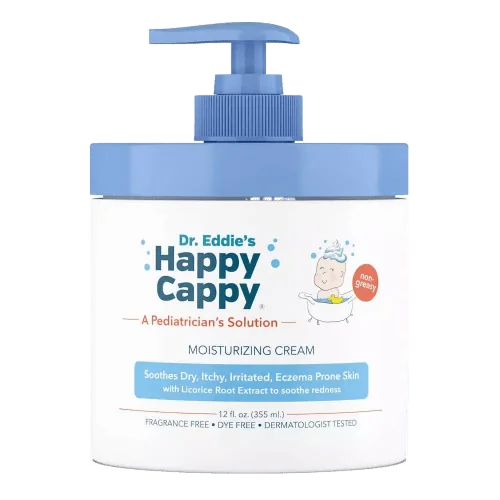 Moisturizing Cream for Dry, Itchy, Eczema-Prone Skin, 12 oz Pump Jar
$25.65 / 3 weeks – $49.00
Moisturizing Cream for Dry, Itchy, Eczema-Prone Skin, 12 oz Pump Jar
$25.65 / 3 weeks – $49.00
-
 Complete 3-Step Routine for Cradle Cap & Eczema-Prone Sensitive Skin
Original price was: $51.45.$47.00Current price is: $47.00.
Complete 3-Step Routine for Cradle Cap & Eczema-Prone Sensitive Skin
Original price was: $51.45.$47.00Current price is: $47.00.
-
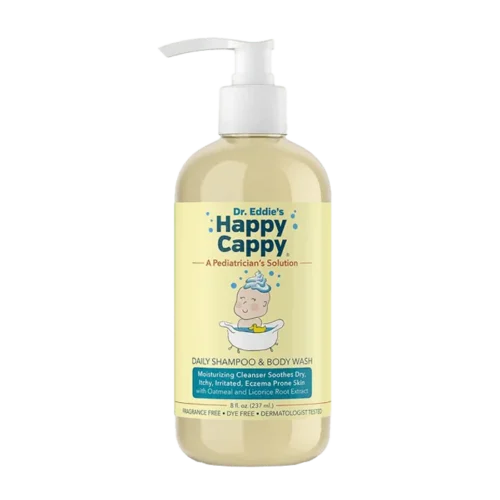 Daily Eczema Shampoo & Body Wash for Dry, Itchy, Sensitive Skin
$24.70 / 3 weeks – $109.08
Daily Eczema Shampoo & Body Wash for Dry, Itchy, Sensitive Skin
$24.70 / 3 weeks – $109.08