


Cover photographs show ringworm and plaque psoriasis, two eczema lookalikes. These are different people, not a before-and-after comparison.Cover photo credits: CDC / Dr. Lucille K. Georg, PHIL 2938. Public domain. Resized and converted to WebP. James Heilman, MD, Psoriasis2010, CC BY-SA 3.0. Resized and converted to WebP; clinical appearance unaltered.
Quick answer: An itchy rash is not always atopic eczema. Ringworm, psoriasis, scabies and other conditions can overlap in appearance. The pattern, history and sometimes a skin test matter more than one photograph.
Eczema and overlapping rash symptoms
Eczema lookalikes are skin conditions that share features such as itching, scaling and changes in skin color. Atopic dermatitis is the form many people mean by “eczema,” but eczema is a broader family that also includes contact, nummular and other types. A new rash deserves a fresh look, even if you have had eczema before.
Doctors consider where the rash started, whether it comes and goes, new products or medicines, exposures and whether anyone else is itching. Your history and examination usually guide an eczema diagnosis; selected tests help when the pattern is unclear.1
For the underlying condition, see our atopic dermatitis symptom guide and types of eczema. This page focuses on the conditions that can be mistaken for it.
Pictures: eczema and two common lookalikes
These photographs show selected examples, not every possible appearance. Lighting, skin tone, scratching and previous treatment can change what you see. Tap a photograph to enlarge it.
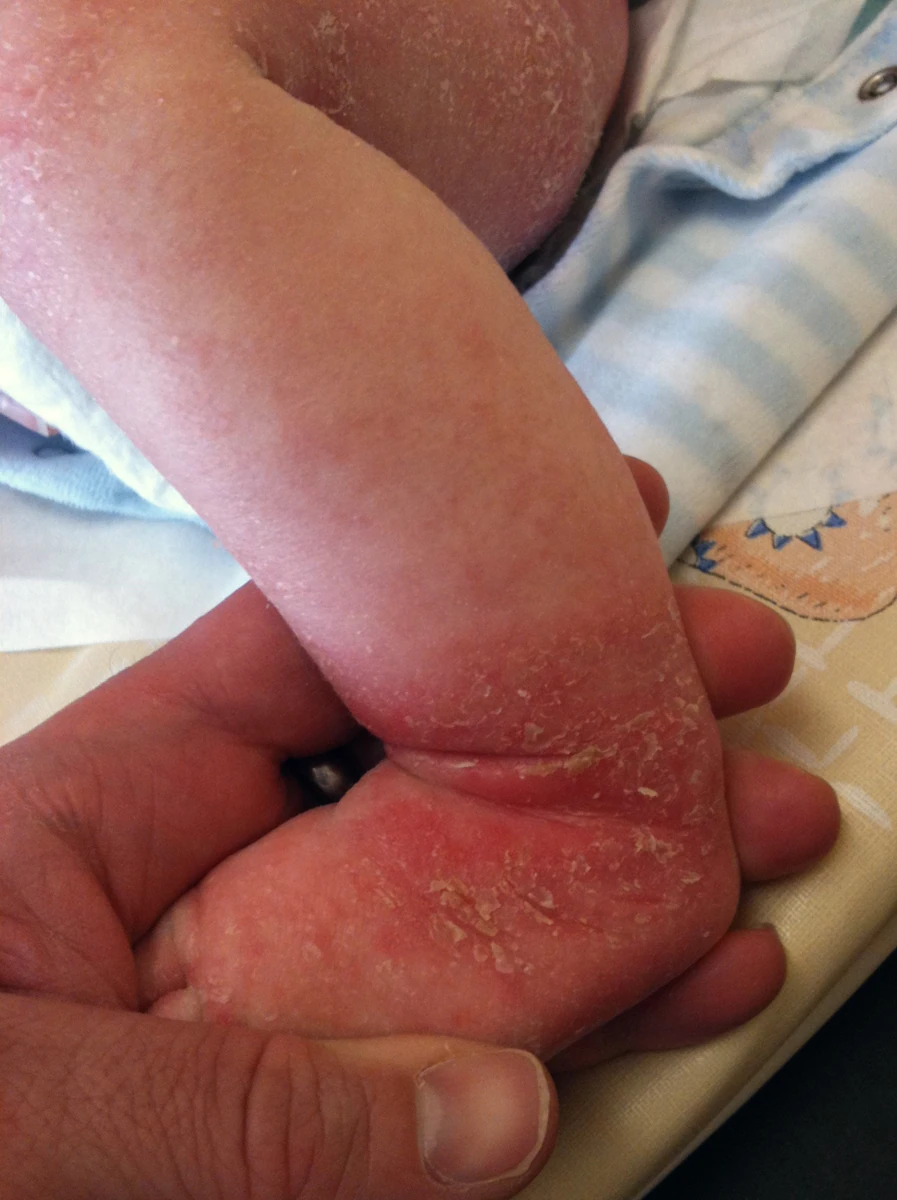


For a closer two-condition comparison, see ringworm vs eczema.
Conditions that resemble eczema
Ringworm
A dermatophyte fungal infection can form an enlarging patch with a scaly outer edge and relatively clearer center. It may spread between people, animals or shared items. Eczema is not contagious. A skin scraping can help separate them; the ring shape alone is not enough.2
Psoriasis
Plaque psoriasis often has thicker, more sharply defined patches than atopic eczema. Our eczema vs psoriasis guide explores that comparison in more detail. Scalp or nail findings and plaques on elbows or knees can provide clues, but locations overlap. A clinician may need to examine more than the patch you first noticed.3
Scabies

Intense itch, especially at night, and itching in close contacts raise suspicion. Small bumps or burrows can involve finger webs, wrists and other sites. Infants may also have scalp, palm or sole involvement. Eczema can itch at night too, so that symptom alone does not establish scabies.4
Hives

Hives form raised welts that change location. Each individual welt usually fades within 24 hours, while eczema patches tend to persist. Hives have many triggers, including infections; they do not automatically mean a food allergy.5
Contact dermatitis

This is itself a form of eczema. A reaction to something touching the skin may follow the shape of jewelry, adhesive, footwear or another exposure. Delayed allergy may need patch testing. Read the contact dermatitis guide.
Seborrheic dermatitis

Another dermatitis pattern, often affecting the scalp, eyebrows, sides of the nose or other oily areas, can cause flakes and inflammation. It can overlap with other skin conditions. See seborrheic dermatitis.
Dry skin

Simple dryness can feel rough or tight and may itch. Atopic eczema adds a recurring inflammatory pattern, often with substantial itch. Dry skin and eczema can coexist; moisturizer response alone cannot reliably tell them apart.
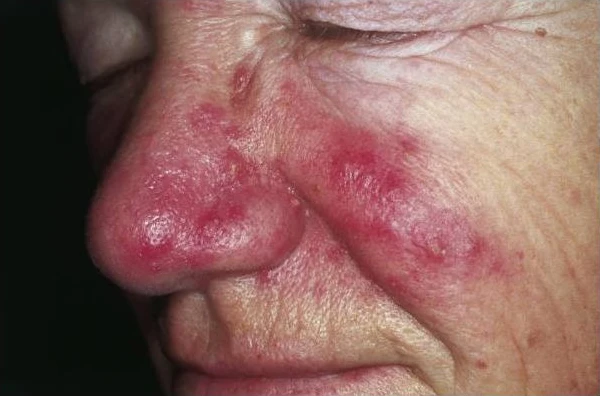
Rosacea
Rosacea often brings central facial flushing or bumps.6
Lichen planus
Lichen planus can cause itchy, flat-topped purple or brownish bumps.7
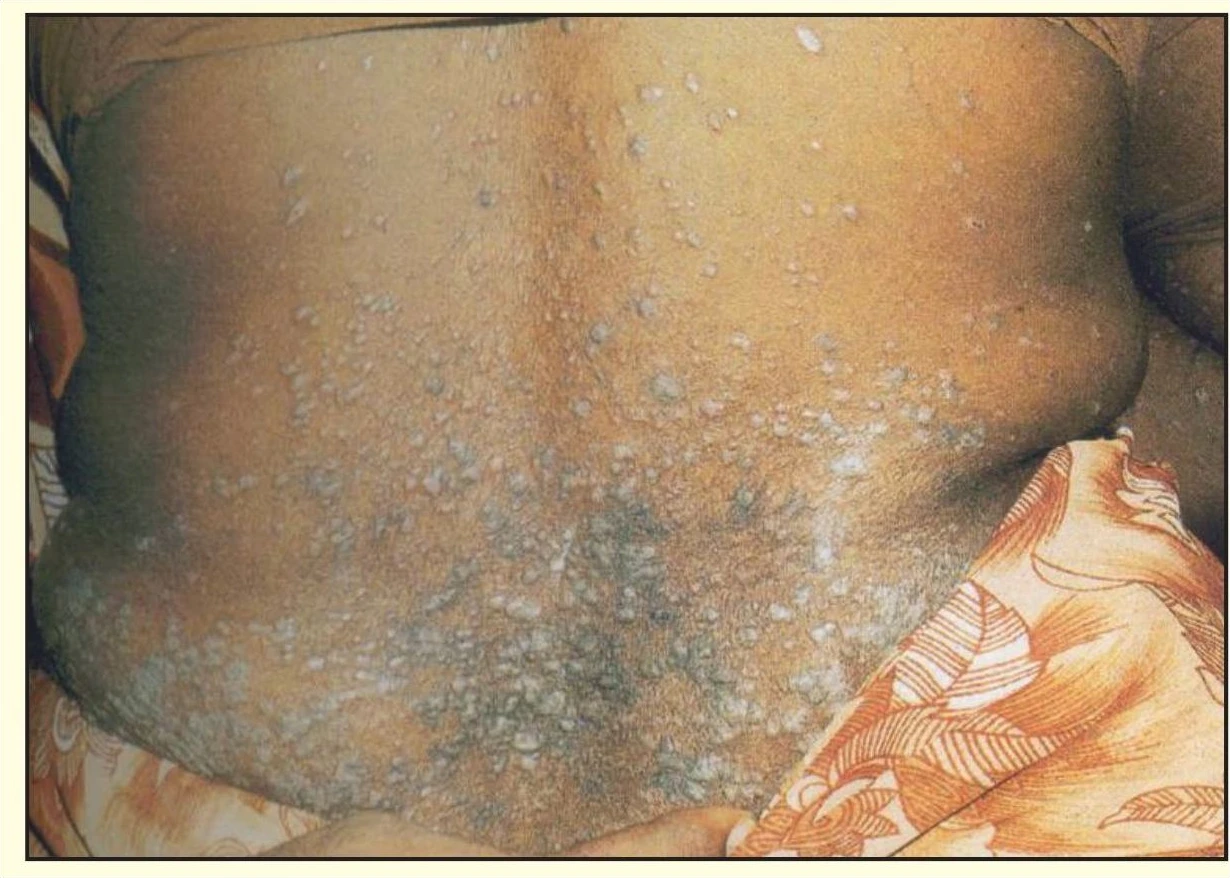
Tinea versicolor
Tinea versicolor can leave lighter or darker, finely scaly patches on the trunk.8


Clinical evaluation and diagnostic tests
History, examination and targeted tests
Bring a list of products and medicines used, when the rash began and any photographs taken before treatment changed it. Mention travel, pets, shared sports equipment, affected household members and work or hobby exposures.
- Fungal scraping: a sample from a suspicious area can be examined for fungus; a culture may sometimes be useful.
- Patch testing: helps investigate delayed contact allergy. It is different from an immediate-allergy skin-prick test.
- Scabies assessment: the distribution, close-contact history and examination, sometimes with a skin sample, help establish the cause.
- Biopsy: occasionally used for an unusual or persistent rash when the diagnosis remains uncertain.
Persistent or atypical rashes
Rare conditions, including cutaneous lymphoma, can resemble eczema. This does not mean that an eczema flare is likely to be cancer. A rash that remains atypical or does not respond as expected is a reason to reassess the diagnosis instead of repeatedly changing creams.1
View photo: mycosis fungoides, a rare eczema lookalike
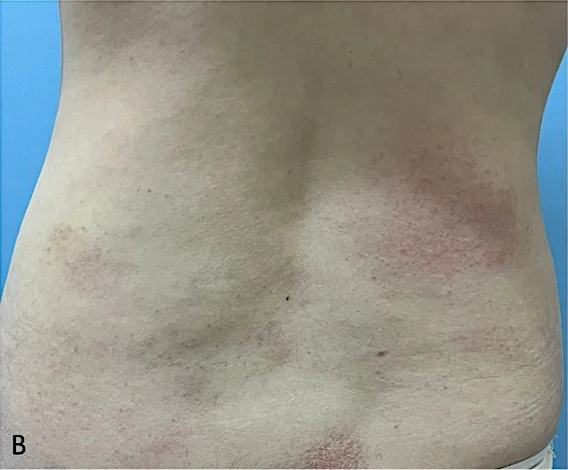
This example shows patch-stage mycosis fungoides, a type of cutaneous lymphoma. The letter B is the original figure label. A photograph cannot confirm this diagnosis; an examination and, when appropriate, a biopsy are needed.
Skin care while the diagnosis is uncertain
Use gentle cleansing and avoid a newly introduced product that seems to aggravate the rash. A plain, fragrance-free moisturizer may help dry, intact skin. Do not assume a persistent circular patch needs a stronger steroid: steroid treatment can disguise or worsen ringworm.2
If infection is a possibility, avoid sharing towels or clothing until you have advice. Tell your clinician what you have already applied, including nonprescription combination creams. After eczema is confirmed, our eczema flare guide covers the next steps.
Happy Cappy moisture care for eczema-prone skin
Dry, intact skin can benefit from regular moisturizer while a rash is being assessed. Happy Cappy Moisturizing Cream is a fragrance-free daily moisturizer for dry, sensitive skin. Glycerin draws in moisture and petrolatum helps retain it, leaving skin softer and more comfortable. Its non-greasy texture suits daily face and body care. Apply after bathing and when skin feels dry. Shop Happy Cappy Moisturizing Cream.
Moisturizer supports dryness care; it does not treat ringworm, scabies or another infection.
Signs that need medical attention
Arrange an examination if the diagnosis is uncertain, the rash is spreading, sleep is repeatedly disrupted or the treatment plan is not helping. Seek prompt care for worsening pain, warmth, pus, fever or rapidly spreading inflammation. Clusters of painful blisters or punched-out sores, especially near the eyes, need urgent assessment.10
Trouble breathing or swelling of the tongue or throat with hives is an emergency. Do not wait for an article or photograph to settle the diagnosis.